Power, Timers & Setup
Solar vs Plug-In Halloween Decorations
Solar solves placement and nothing else. In October that trade is narrower than it looks.
Disclosure: we earn a commission from qualifying purchases made through links on this page, at no extra cost to you. It does not change what we recommend — here is how we choose.
The short answer
Solar wins on placement and nothing else: no cord, no trench, nothing added to your circuit load. It loses on brightness and run time, and October is its worst month because daylight is short exactly when nights are long. Use solar at the perimeter and mains power where people actually stand.
Solar decorations are appealing for an obvious reason — running a cord to the far corner of a yard is a genuine hassle. The question is whether the thing at the end of that cord-free corner is actually doing anything.
Side by side
| Solar | Battery | Plug-in | |
|---|---|---|---|
| Brightness | Low | Low to moderate | As much as you want |
| Run time | Depends on daylight | Fixed, shorter when cold | All evening, every evening |
| Placement | Needs direct sun | Anywhere | Needs a cord run |
| Setup | Push into ground | Push into ground | Cord, stake, connector |
| Ongoing cost | None | Batteries | Electricity |
| Circuit load | None | None | Counts toward your total |
| Fails how | Dim, then dark early | Dies silently | Trips a GFCI, or nothing |
One of each approach
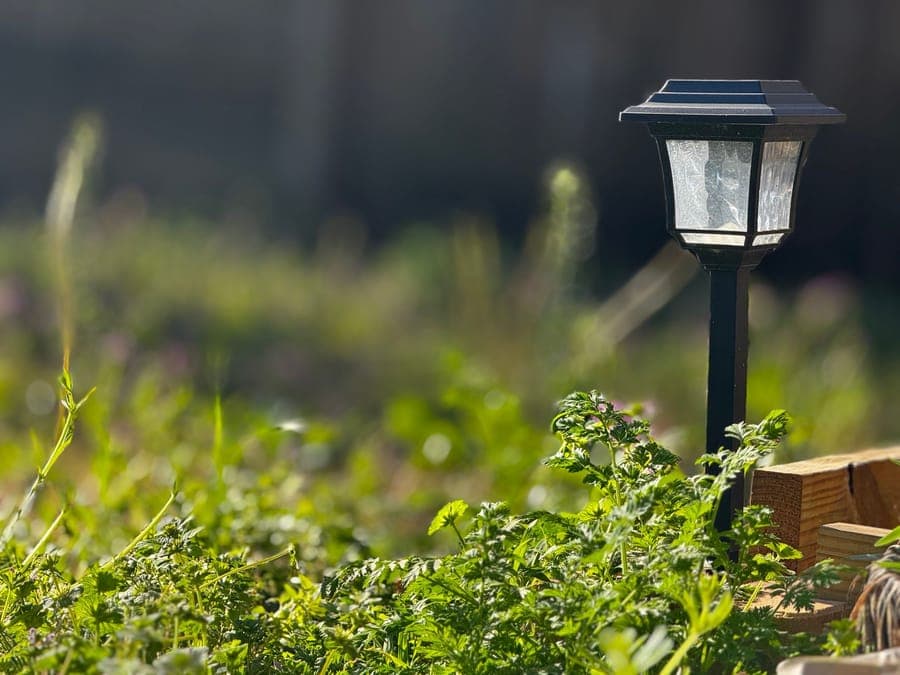
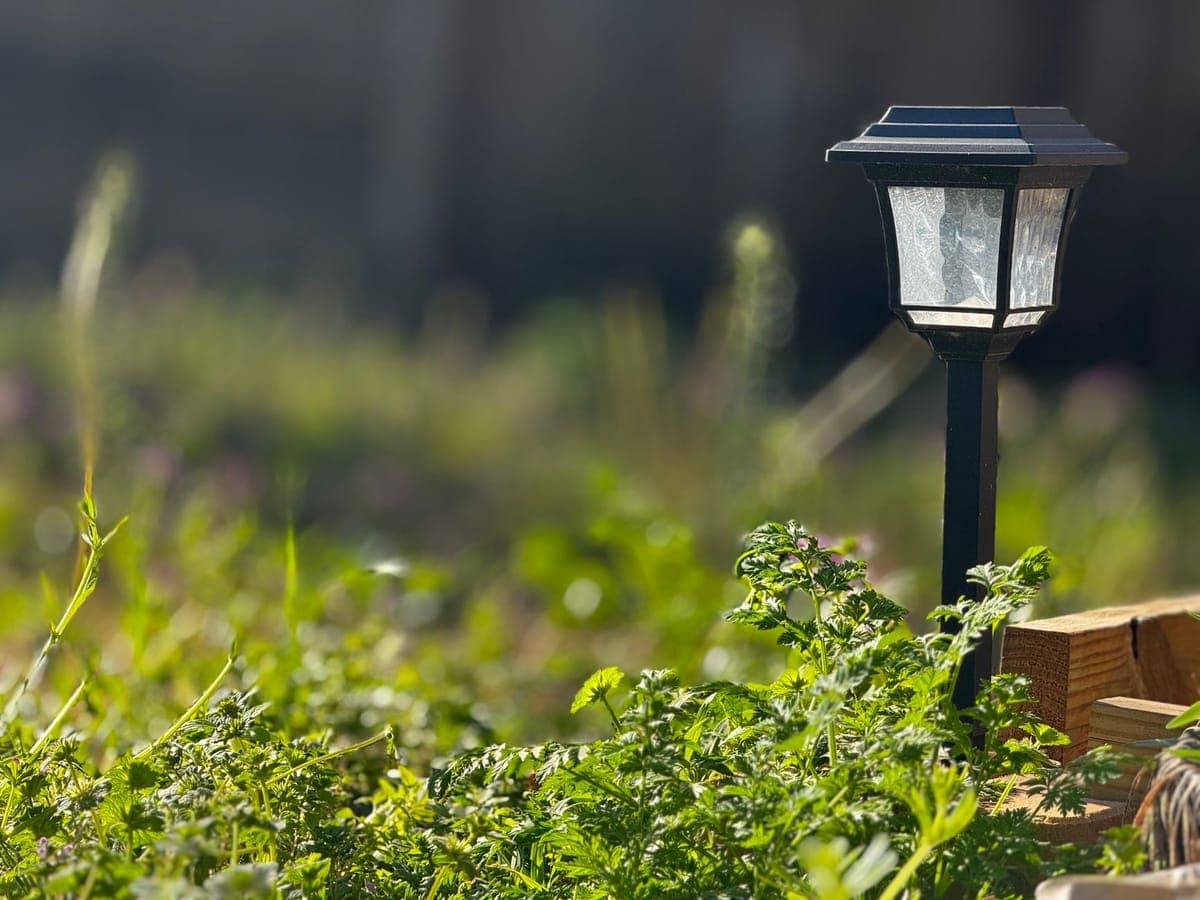
Solar Halloween Pathway Stake Lights
Various
Solar is the honest answer for the far corner of a yard where running a cord is not worth it, as long as you accept that October sun is short and October nights are long.
- Power
- Integral solar panel and battery
- Run time
- Depends on daylight, shortest exactly when you need it
- Placement
- Needs genuine direct sun, not bright shade
- Cord
- None
Good
- No cord, so no trench, no ramp and no gauge calculation
- Places anywhere the sun reaches
- Nothing to add to the circuit load
Less good
- October daylight is short, so run time is short
- Output is low, so these mark a path rather than light a prop
- Batteries degrade after a season or two
- Brightness4.6
- Run time5.4
- Placement freedom9.8
- Setup effort9.6
- Value8.4
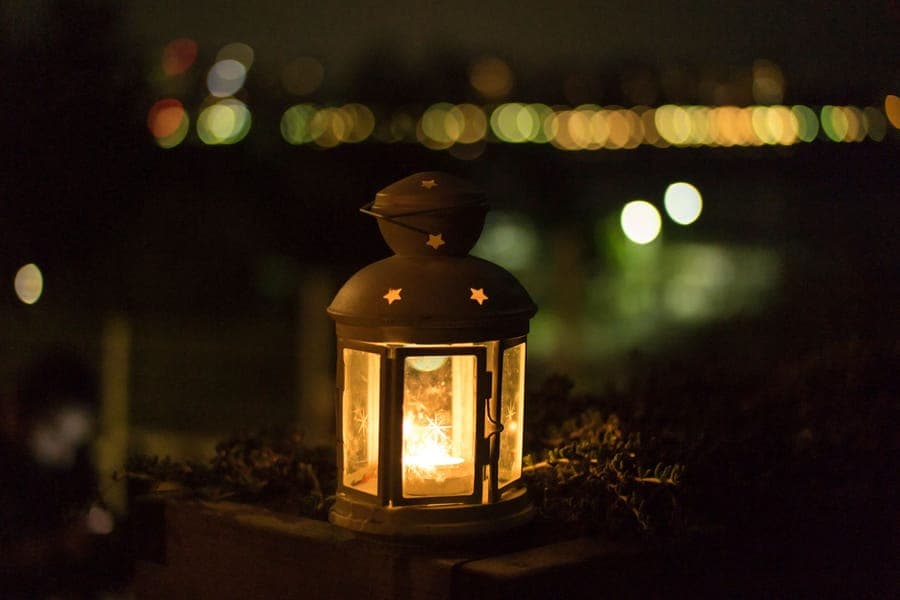
Battery-Powered Halloween Yard Props
Various
Battery props go where cords do not, and they die when you are not watching. Use them at the perimeter and keep the mains props where visitors actually stand.
- Power
- Batteries, usually C or AA
- Run time
- Falls sharply in cold weather
- Placement
- Anywhere
- Tip
- Use a timer function if the prop has one
Good
- Zero cord infrastructure
- Nothing added to your circuit load
- Can be repositioned all season without replanning the power
Less good
- Cold nights cut battery life hard
- No way to know a prop has died without walking out to it
- Ongoing battery cost across a month
- Brightness6.0
- Run time5.0
- Placement freedom9.8
- Setup effort9.4
- Value7.4
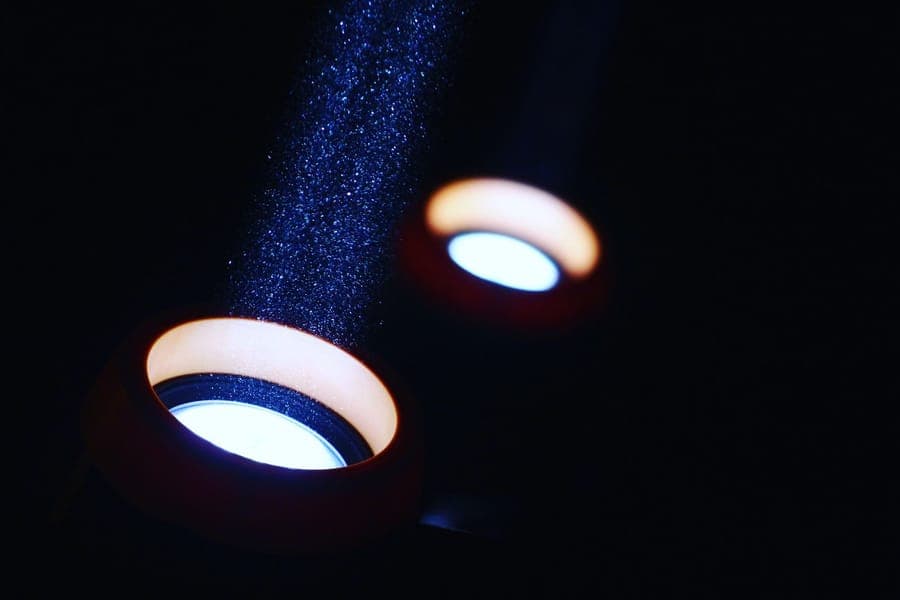
Outdoor Spot Lights (IP65)
Govee
Spots do the job floods cannot: put light on the animatronic and leave the rest of the yard dark, which is what makes a display read as staged instead of lit.
- Beam
- Narrow, uplight or spot
- Rating
- IP65
- Color
- RGBIC plus warm and cold white
- Control
- App
Good
- Narrow beam means contrast, and contrast is what makes props read at night
- Same app ecosystem as the floods, so scenes stay in sync
- Warm and cold white makes them useful the rest of the year
Less good
- Needs aiming, and aiming needs doing again after the first mow
- Low stake height means splashback in heavy rain
- A spot pointed at a neighbor's window is a conversation you do not want
- Brightness8.0
- Color quality9.0
- Weather rating8.2
- Control9.0
- Value8.2
Outdoor Smart Wi-Fi Plug, 6-Outlet Power Stake
BN-LINK
Six weatherproof outlets on a stake, with scheduling. This is the part that turns a pile of extension cords into a display that switches itself on at dusk.
- Outlets
- 6, weatherproof
- Form
- Ground stake with a short lead
- Control
- Wi-Fi app scheduling
- Placement
- Central to the display, off the ground
Good
- One cord from the house instead of six
- Scheduling means the display runs whether or not you are home
- Weatherproof outlet covers rather than open sockets
Less good
- Wi-Fi at the far end of a yard is often the real limitation
- Total load across six outlets still has to stay inside the circuit
- App account required, which some people will not want
- Weather rating8.6
- Outlet count9.4
- Scheduling9.2
- Setup effort8.4
- Value8.6
Why October is solar's worst month
Solar is at its weakest exactly when you need it. Days are short and often overcast, sun angles are low, and the nights that need lighting are long. A solar light that runs for eight hours in June may manage two or three in late October — and it will be dimming for most of them.
Placement compounds this. Solar panels need genuine direct sun, not bright shade, and the interesting corners of a yard are usually interesting precisely because they are shaded by a tree, a fence or the house. The spot that most needs a light without a cord is frequently the spot with the least sun.
Where solar genuinely wins
- Path marking at the perimeter. Low output is fine when the job is to indicate an edge rather than illuminate a prop.
- Anywhere a cord run genuinely is not worth it. Across a driveway, over a path, the far side of a lawn.
- Keeping circuit load down. Solar adds nothing to the total, which matters if you are already near the limit — see the power-draw guide.
- Rented properties. Nothing to run, nothing to route, nothing to explain.
Where it disappoints
- Lighting props. Output is nowhere near enough to make an animatronic read at night. Use a mains spot.
- Long evenings. They dim through the night, and the end of the evening is when a display is most visible.
- Shaded yards. No sun, no charge, no light.
- Cold snaps. Battery performance falls in cold weather, on top of the shorter charge.
Battery is the middle option nobody considers
Battery-powered props go anywhere, like solar, but do not depend on how much sun the spot gets. For a prop in permanent shade at the edge of a display, a battery unit is often the better answer than a solar one — you control the energy going in instead of hoping for daylight.
The failure mode is that they die silently. A battery prop that goes out at 8pm gives you no signal at all, so if you run several, walk the yard once mid-evening. And pull the batteries in November: a cell left in over winter is a corroded contact next September, and it is the most common way a prop dies while doing nothing.
The mix most displays should run
- Mains power for the core. Everything people actually stand and look at: lit props, the projector, the fog machine, the main lighting.
- Battery for shaded outliers. Props at the edges where a cord is impractical and there is no sun.
- Solar for path marking in sunny spots. Perimeter edges and walkway markers, where low output is enough.
Put the mains portion on a timer or smart plug so it runs at dusk without anyone being home, which is the one thing solar does automatically and mains does not — timers and smart plugs covers that.
Frequently asked questions
Are solar Halloween decorations any good?
For marking paths and perimeter edges, yes. For lighting props, no — output is far too low. October is also their worst month, because daylight is short exactly when the nights that need lighting are long.
How long do solar Halloween lights last at night?
It depends entirely on how much direct sun they got, and in October that is not much. Expect a few hours of falling output rather than a full evening, and less again after a cloudy day.
Are battery Halloween decorations better than solar?
In shade, yes, because you control the energy going in rather than hoping for daylight. The trade is ongoing battery cost and the fact that they die silently with no warning.
Do solar decorations work in shade?
Barely. Solar panels need genuine direct sun, not bright shade, and the yard corners that most need a cord-free light are usually the shaded ones. Battery is the better answer there.
About the author
Mike M.
Mike M. is the hands-on owner behind Iron Mako Media, which publishes Haunt & Hedge. The site covers the gear that builds a yard haunt, for the person who already decorates and adds one bigger piece a year.
We do not run a test lab and we do not claim to have physically tested products we have not. Read how we choose picks.