Roundup
The Best Outdoor Extension Cords for Halloween
Cord gauge explained, which to buy for which load, and the connector hardware that prevents mid-evening failures.
Top pick: 12-Gauge Outdoor Extension Cord
Category
Nobody photographs the extension cords, and they are the reason half of all displays fail mid-evening.
Disclosure: we earn a commission from qualifying purchases made through links on this page, at no extra cost to you. It does not change what we recommend — here is how we choose.
This is the part of a yard haunt nobody plans and everybody eventually has to. It is also, by our count, the least-served topic in the entire category — we checked twelve sites ranking for Halloween decoration terms and not one of them covers cord gauge, circuit load or GFCI in any usable depth.
One good outdoor-rated extension cord of the right gauge, and a weatherproof multi-outlet stake at the far end of it. That combination replaces the thing most people actually do — four thin cords daisy-chained across a lawn with the joints lying in wet grass — and it removes the majority of the ways a display fails.
Gauge is the specification that matters and it runs backwards from intuition: lower numbers are thicker cord. A 12-gauge cord carries more current over a longer distance with less voltage drop than a 16-gauge one. For a long run feeding blowers and a fog machine, buy 12. For a short run feeding LED string lights, 16 is fine and much easier to hide. The outdoor extension cord roundup goes through the sizing.
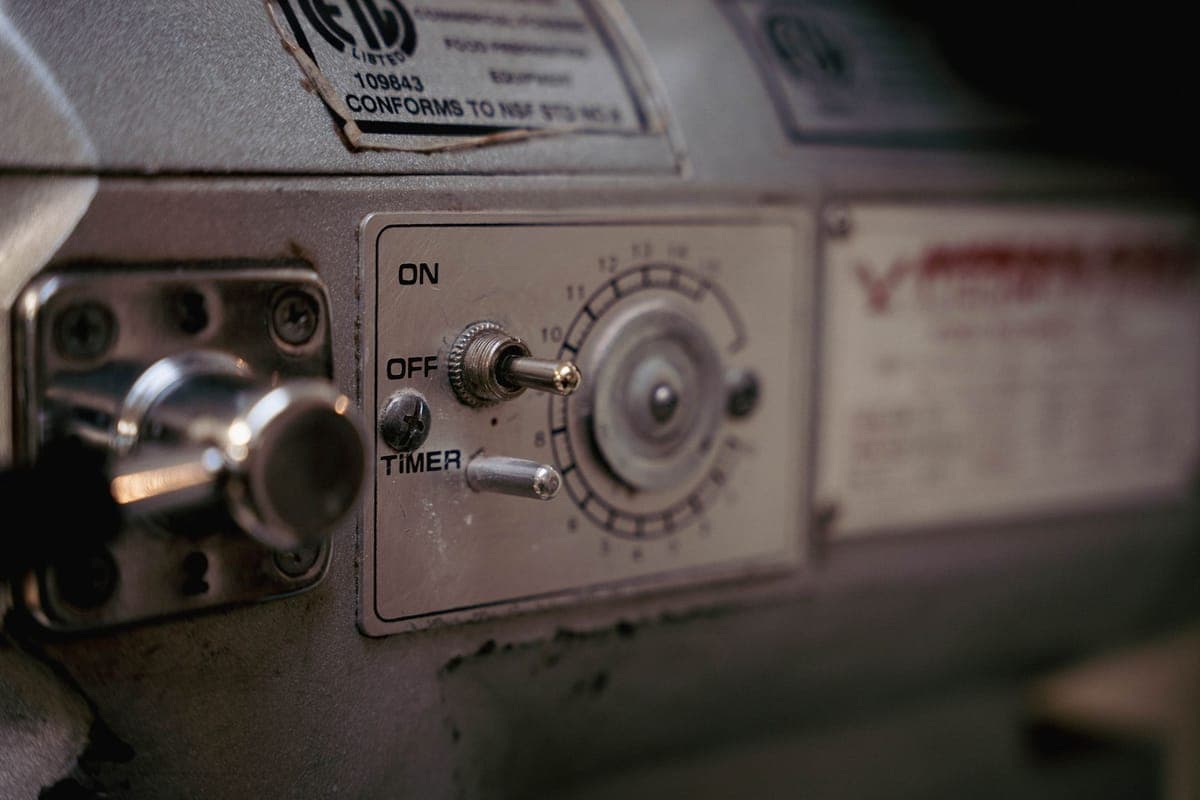
Control is the upgrade people appreciate most after the first season. Running out at dusk every night for a month gets old fast, and a display that fails to come on because nobody was home is a display that was not seen. Timers and smart plugs compares the two approaches — and they genuinely are different approaches, not just different prices.
Copper and rating. Cord price tracks gauge and length almost linearly, because you are buying metal. Weatherproof outlet enclosures, ETL or UL listing, and outdoor-rated jackets all cost more than the unlisted equivalents, and all of them matter more outdoors than indoors. Smart control adds a price step over mechanical control, and buys scheduling that follows sunset rather than a fixed clock time.
What is genuinely cheap: GFCI adapters, connector boxes and cord stakes. These are the highest safety-per-dollar items in the whole hub and they are usually the ones skipped.
They overload one circuit. A typical household branch circuit is 15 amps, which is roughly 1,800 watts, and the practical continuous limit is lower than that. Several inflatable blowers, a fog machine, a projector and a run of lights add up faster than people expect — and the fog machine alone is often the biggest single draw in the yard. The fix is arithmetic, not equipment: measure or look up each prop's draw, total it, and split across two circuits if you need to. What a Halloween display actually draws has the watts-per-prop-type table and shows the working.
The second mistake is a cord-to-cord joint lying in wet grass. It is the single most common outdoor electrical fault in a display, it trips GFCIs mid-evening, and a sealed connector box fixes it for pocket change.
The third is cords across a walkway with children running on it in the dark. Route around paths where you can, and use a proper cord ramp where you cannot. How to hide extension cords in a yard covers both, and yard haunt electrical safety covers the parts that genuinely need a licensed electrician rather than a workaround.
Roundup
Cord gauge explained, which to buy for which load, and the connector hardware that prevents mid-evening failures.
Top pick: 12-Gauge Outdoor Extension Cord
Roundup
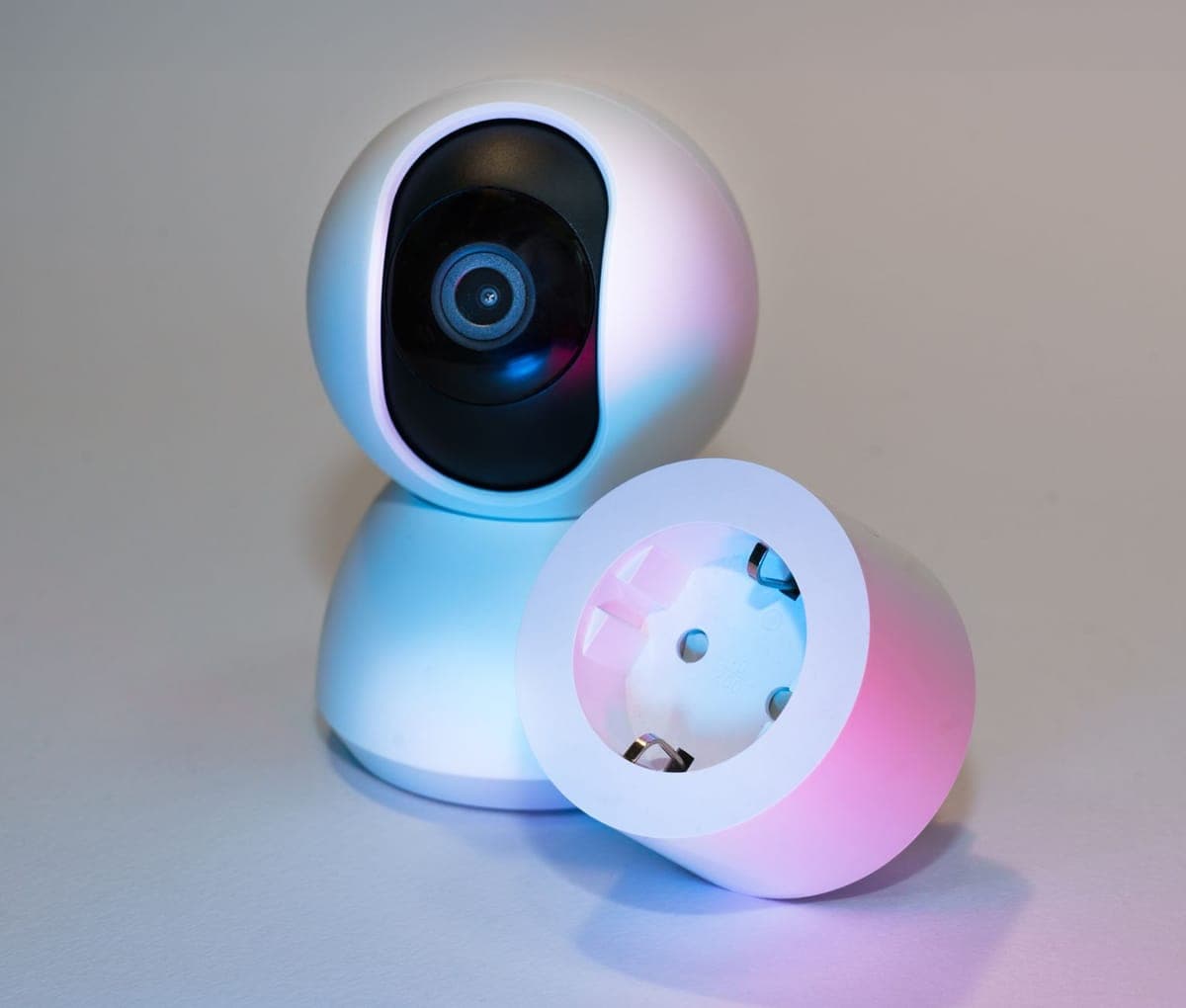
Outdoor multi-outlet stakes, dial timers and Wi-Fi plugs compared, so the display switches itself on at dusk.
Top pick: Outdoor Smart Wi-Fi Plug, 6-Outlet Power Stake
Comparison
Where solar genuinely wins, why October is its worst month, and when battery beats both.
Comparison
Sunset tracking against dependability: which control method suits a month-long display, and where Wi-Fi lets you down.
Guide
The watts-per-prop reference table, circuit-load arithmetic, and how to measure your own props properly.

Guide
Routing, stakes, covers and ramps — how to make cords disappear without creating a hazard.
Guide
GFCI, cord ratings, wet connections and load — the safety checks, and the jobs that belong to an electrician.
It depends almost entirely on what is running continuously. Inflatable blowers and fog machines run all evening and dominate the total; LED lighting is negligible by comparison; animatronics only draw meaningfully during the few seconds they are actually moving. Our power-draw guide has a watts-per-prop table and the arithmetic.
For a long run feeding motors — blowers, a fog machine — use 12-gauge. For a short run feeding LED lights or one small prop, 16-gauge is fine. Lower gauge numbers mean thicker cord and less voltage drop over distance.
Yes. Anything plugged in outdoors should be on a ground-fault-protected circuit. If the outdoor outlet you are using is not already GFCI protected, a plug-in adapter adds that protection cheaply. This is not an optional refinement on a wet lawn.
You can, but a timer or smart plug is better for three reasons: it cuts the running cost, it reduces the hours of exposure on every component, and it means the display comes on at dusk whether or not anyone is home.