Storage & Off-Season
Vacuum Bag vs Rigid Tote for Inflatables
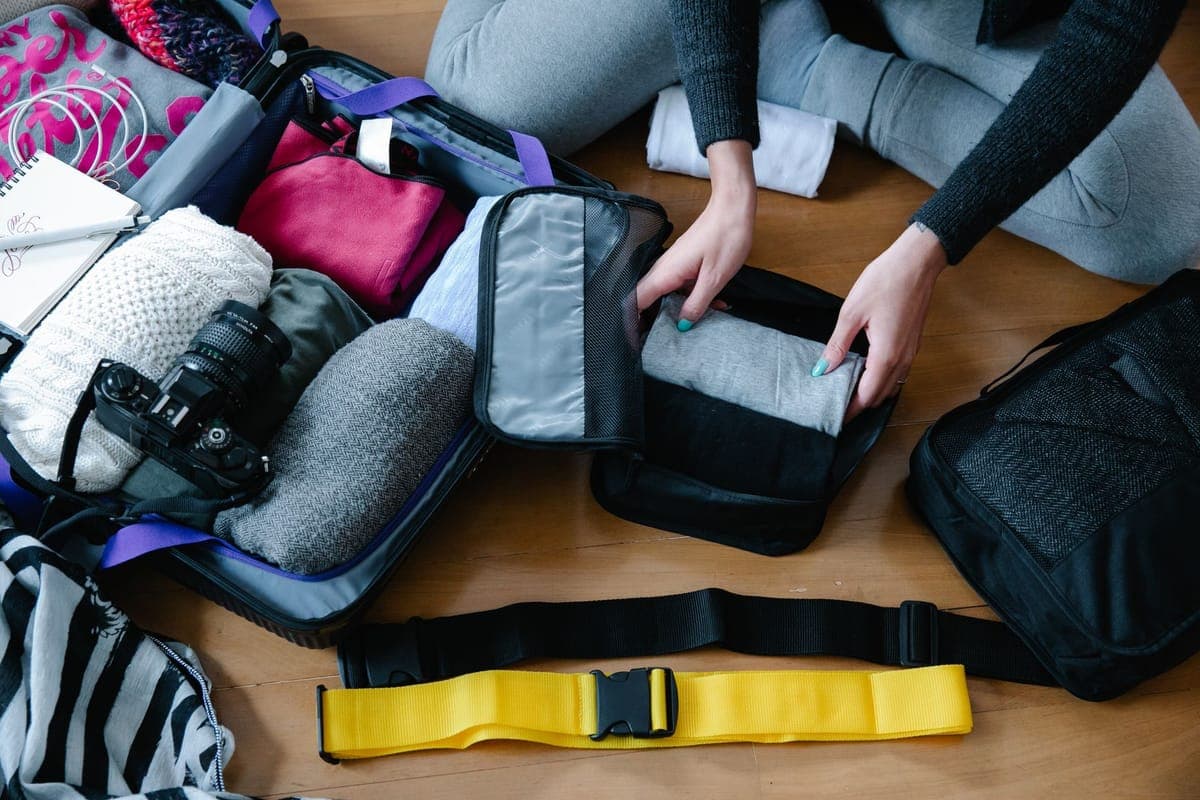
The biggest space saving in the garage, against the discipline of keeping a prop and its hardware together.
Disclosure: we earn a commission from qualifying purchases made through links on this page, at no extra cost to you. It does not change what we recommend — here is how we choose.
The short answer
A vacuum bag cuts an inflatable's stored volume dramatically and seals out pests and damp air. A lidded bin keeps the fabric, blower, stakes and tethers together so next season is a ten-minute job. If garage space is tight, compress. If you own several inflatables, use bins.
Both of these work, and the reason people get it wrong is that they optimize for the wrong problem. Compression optimizes for space. Bins optimize for next September.
Side by side
| Vacuum bag | Lidded bin | |
|---|---|---|
| Space saved | Large | None — it is the fabric's natural volume |
| Keeps hardware with the prop | No — blower goes elsewhere | Yes, the main advantage |
| Pest and dust exclusion | Excellent when sealed | Good |
| Moisture risk | Severe if packed damp | Moderate, and inspectable |
| Fabric risk | Hard creases over months | None |
| Crush protection | None | Good |
| Reusability | Until the valve fails | Years |
| Setup next year | Unpack, hunt the blower | Open bin, everything is there |
Both approaches
Jumbo Vacuum Storage Bags
Various
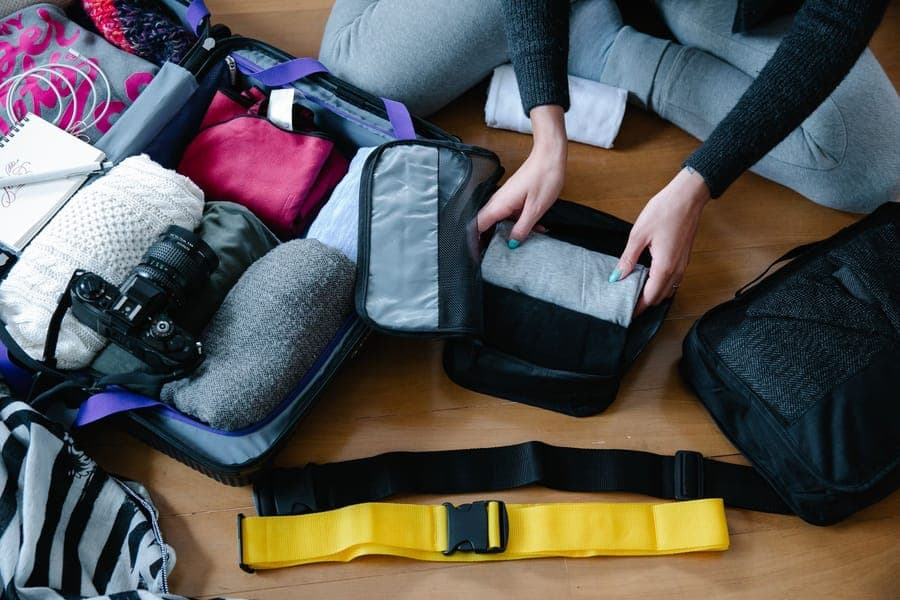
Compressing an inflatable is the single biggest space win in the garage, with one condition that is not optional: it has to be bone dry first.
- Type
- Vacuum compression bag
- Requires
- A vacuum cleaner hose
- Critical
- Contents must be completely dry
- Reusable
- Yes, until the valve fails
Good
- Cuts an inflatable's stored volume dramatically
- Seals out dust, pests and damp air
- Cheap relative to the shelf space it frees
Less good
- Sealing anything damp grows mold you will not find until next October
- Long-term compression can crease coated fabric permanently
- Valves fail and bags re-inflate over months
- Space saving9.6
- Protection7.8
- Ease of use7.4
- Durability6.4
- Value8.8
Large Storage Bin for Inflatables
Various
Keep each inflatable with its own blower, stakes and tethers in one bin, and next October stops being a scavenger hunt for a missing fan.
- Capacity
- Large, sized for fabric plus hardware
- Lid
- Lidded, ideally latching
- Contents
- One inflatable, its blower, stakes and straps
- Label
- Label the outside, not the lid
Good
- One bin per inflatable means nothing gets separated
- Big enough that the fabric is not crushed into a hard fold
- Blower and hardware stay with the thing they belong to
Less good
- Takes more floor area than vacuum-bagging the fabric
- Awkward to lift when full
- Only works if you actually keep the discipline of one bin per prop
- Space saving6.4
- Protection8.6
- Ease of use9.4
- Durability8.0
- Value8.4
Container Moisture Absorbers
Various
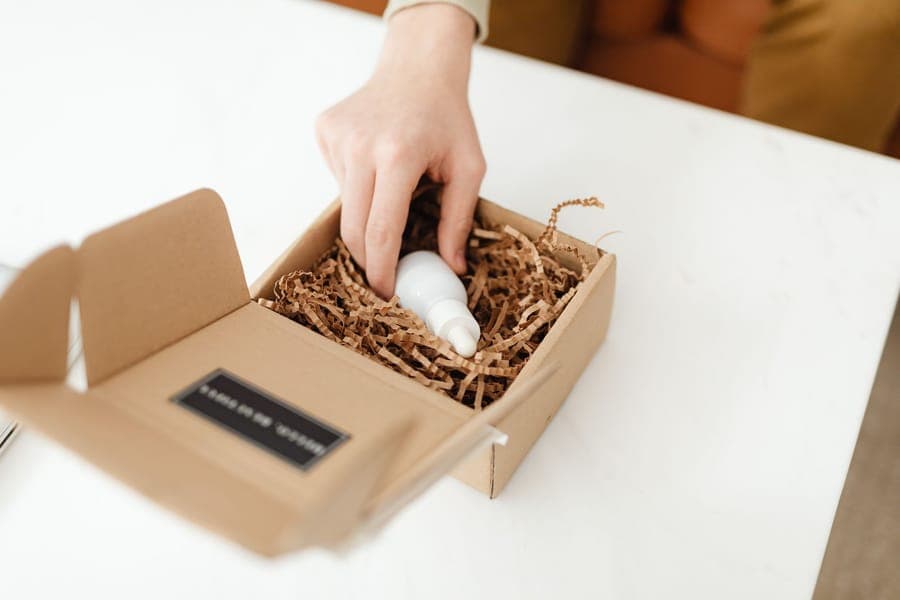
The cheapest insurance on a year of storage. Props do not usually go in wet, they go in slightly damp, and then sit sealed for ten months.
- Type
- Calcium chloride moisture absorber
- Use
- One per tote in a damp space
- Life
- Replace annually
- Caution
- The collected liquid is corrosive, so keep it upright
Good
- Pennies against the value of what is in the tote
- Handles the residual damp you cannot see when you pack
- Also works in a skeleton storage bag
Less good
- Must sit upright or the collected brine leaks onto the contents
- Needs replacing every year to do anything
- Not a fix for actually wet props, which you have to dry first
- Protection8.6
- Ease of use9.0
- Durability5.0
- Coverage7.4
- Value9.4
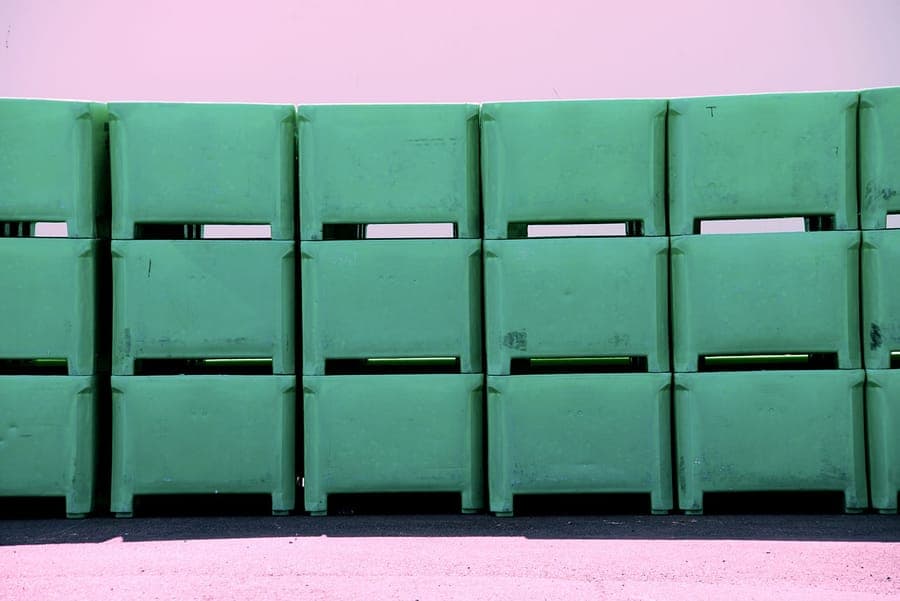
27 Gal Heavy-Duty Storage Tote
Various
Thicker walls and a lid that takes weight. The right box for animatronics, because the thing you store on top of them is the thing that breaks them.
- Capacity
- 27 gal
- Walls
- Heavy gauge, rated for stacking load
- Lid
- Load bearing on most models
- Use
- Rigid props, animatronics, tools
Good
- Lid takes the weight of whatever gets stacked on it
- Deep enough for a folded standing animatronic
- Survives being dragged across a concrete floor
Less good
- Heavy before you put anything in it
- Too deep to lift comfortably when full
- Costs several times what a basic tote does
- Stackability9.4
- Seal quality7.4
- Capacity9.0
- Durability9.4
- Value7.0
The condition that applies to both, absolutely
Bone dry first. Not dry to the touch — actually dry, which for coated fabric means spread out for a day or two somewhere with moving air.
This matters more with a vacuum bag than with anything else in the garage, because you are sealing a large volume of compressed fabric with no air exchange for ten months. Moisture in a fold has nowhere to go and every opportunity to grow something. What you unpack next September is mold through the print and a smell you cannot remove.
A bin is more forgiving because it breathes a little and you can open it mid-year to check. It is not forgiveness you should rely on — how long inflatables last covers why packing damp is the single biggest lifespan killer in this category.
Verdict by situation
One or two inflatables, tight garage
Vacuum bag. The space saving is genuinely dramatic and with only a couple of props, keeping track of two blowers is not a real problem. Put the blowers and stakes in one small labeled tote alongside.
Several inflatables
Bins, one per prop. The hardware problem scales badly — five blowers, five sets of stakes and five sets of tethers in a communal box is next September's scavenger hunt, and the mismatched-blower problem is real because they are not interchangeable.
Expensive or heavy-fabric inflatable
Bin. Long-term compression sets hard creases in coated fabric, and on heavier fabric those creases can crack the coating where they fold. For a prop you intend to keep for many seasons, uncompressed storage is the safer choice.
Loft storage
Either, with a latching container if you go rigid — heat cycling in a loft pops snap lids. Vacuum bags do well in lofts because they are sealed against dust, provided the contents were genuinely dry.
Doing both
The approach we would take with more than two inflatables: one bin per prop, with the fabric inside a vacuum bag *within* the bin.
You get most of the space saving, the blower and stakes stay with the fabric they belong to, and the bin gives crush protection the bag cannot. It costs one extra container per prop and removes both failure modes.
Either way
- Fold loosely rather than in the same hard creases every year.
- Add a moisture absorber, upright, in the bin. Not inside a vacuum bag — the point of the bag is that no air gets in.
- Label on the side. Which prop, and what hardware is with it.
- Get it off the concrete floor — shelving or an overhead rack.
- Check vacuum bags mid-year. Valves fail and bags re-inflate over months, which quietly undoes the space saving.
How to store inflatables and animatronics covers the full packing sequence for both prop types.
Frequently asked questions
Can you vacuum pack Halloween inflatables?
Yes, and it is the biggest space saving available — provided the fabric is completely dry first. Sealing a large volume of damp coated fabric for ten months grows mold you will not find until next October.
Does vacuum storage damage inflatable fabric?
Long-term compression can set hard creases, and on heavier coated fabric repeated creasing in the same place can crack the coating. Folding loosely and varying the fold each year reduces it.
Should I keep the blower with the inflatable?
Yes, ideally in the same container. Blowers are not interchangeable between props — voltage, airflow and mount diameter all differ — so a communal blower box turns next September into a matching exercise.
Do vacuum bags stay compressed all year?
Often not. Valves fail slowly and bags re-inflate over months, which quietly undoes the space saving. Check them mid-year rather than discovering it when you need the shelf.
About the author
Mike M.
Mike M. is the hands-on owner behind Iron Mako Media, which publishes Haunt & Hedge. The site covers the gear that builds a yard haunt, for the person who already decorates and adds one bigger piece a year.
We do not run a test lab and we do not claim to have physically tested products we have not. Read how we choose picks.