Fog & Atmosphere
Water-Based vs Glycol Fog Fluid
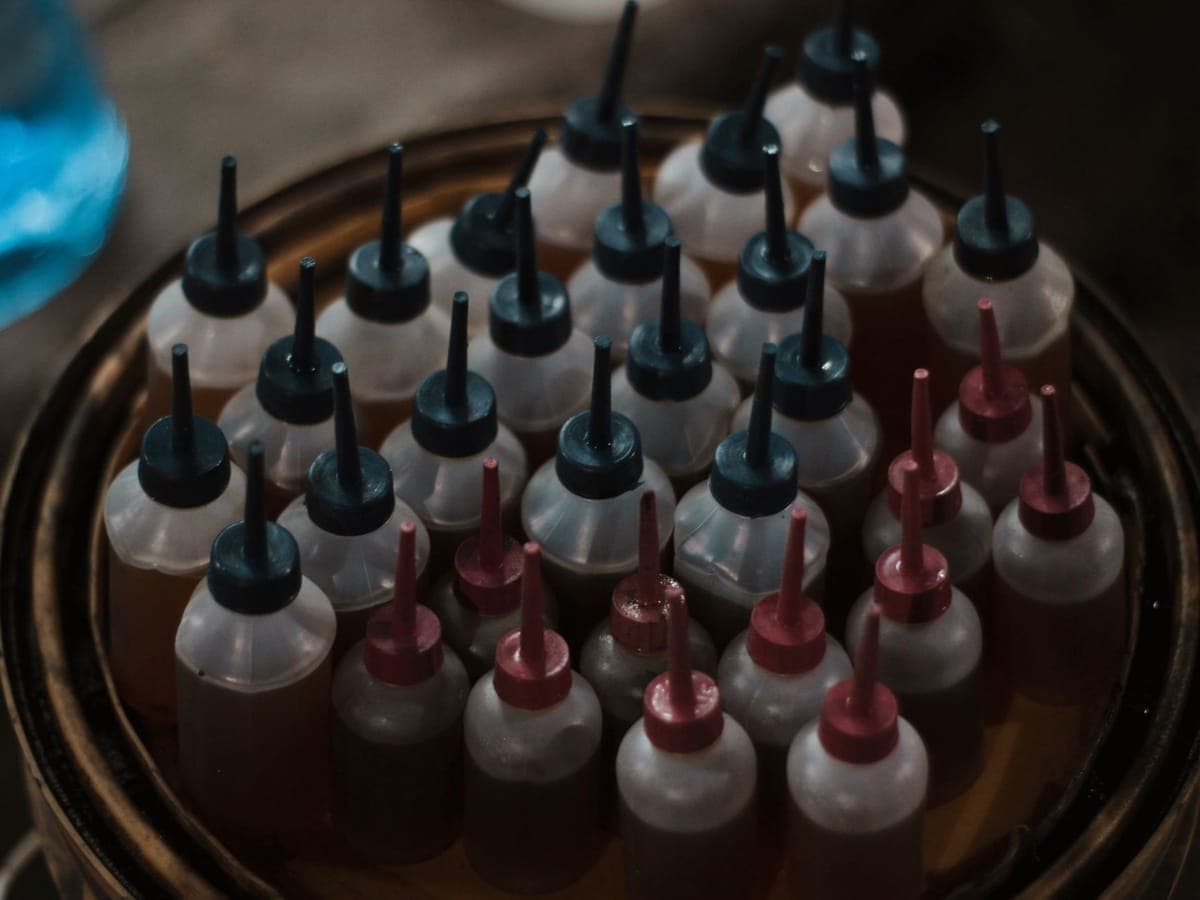
Fluid choice changes hang time, residue and how long your pump lasts. It is not a place to economize blindly.
Disclosure: we earn a commission from qualifying purchases made through links on this page, at no extra cost to you. It does not change what we recommend — here is how we choose.
The short answer
Almost all consumer fog fluid is water-based, with glycol or glycerin as the fog-forming agent — the real choice is between formulations, not between two separate chemistries. Long-hang-time fluid stays visible outdoors for far longer; chiller fluid is built to stay dense and travel low; general-purpose fluid is the cheaper everyday option.
The phrase *water-based versus glycol* comes up constantly and it is slightly misleading, so it is worth clearing up before the comparison. Consumer fog fluid is a water base carrying a glycol or glycerin fog-forming agent. What actually differs between products is the ratio and the specific agent, and that is what changes hang time, density and residue.
What changes between formulations
| Formulation | Hang time | Density | Best use | Trade-off |
|---|---|---|---|---|
| General purpose | Short | Moderate | Porch, indoor, casual | Disperses fast outdoors |
| Long hang time | Long — stated 2-3 hours | High | Outdoor yard haunts | Costs more; lingers where unwanted |
| Chiller / low-lying | Moderate | Very high | Chilled and low-lying machines | Wasted in an unchilled machine |
| High-density haze | Long | Fine, even | Making light beams visible | Not a ground-fog fluid |
The fluids, and a machine to run them in

Swamp Juice Extreme Hang Time Fog Fluid
Froggy's Fog
Designed for outdoor use with a stated hang time of two to three hours, which is the difference between fog that is there when visitors arrive and fog that was there five minutes ago.
- Type
- Long-hang-time fog fluid
- Stated hang time
- 2 to 3 hours in favorable conditions
- Use
- Outdoor, water-based machines
- Recognition
- IAHA Vendor Excellence Award winner
Good
- Hang time is the whole point outdoors, and this is the fluid built for it
- Used by large commercial attractions, so it is proven at scale
- Works in standard water-based machines
Less good
- Long hang time also means haze that lingers where you did not want it
- Costs more per gallon than general-purpose fluid
- Hang time collapses in any real breeze, because no fluid fixes wind
- Hang time9.6
- Density9.0
- Machine safety8.6
- Outdoor suitability9.4
- Value7.2

Freezin Fog Low-Lying Fog Fluid
Froggy's Fog
Formulated specifically to work with a chiller and to travel long distances across the ground. If you have a chiller and you are using general-purpose fluid, this is the upgrade.
- Type
- Low-lying or chiller fog fluid
- Designed for
- Fog chiller effects
- Behavior
- Dense, travels across the ground
- Use
- Outdoor water-based machines
Good
- Chemistry built around the chiller rather than in spite of it
- Travels across the ground instead of pooling at the nozzle
- Pairs with the same machines as the general-purpose fluid
Less good
- Only worth it if you are actually chilling the output
- Premium pricing per gallon
- Still beaten by a breeze, like every fog fluid
- Hang time8.6
- Density9.4
- Machine safety8.6
- Outdoor suitability9.2
- Value7.0
Halloween and Party Fog Fluid
Froggy's Fog
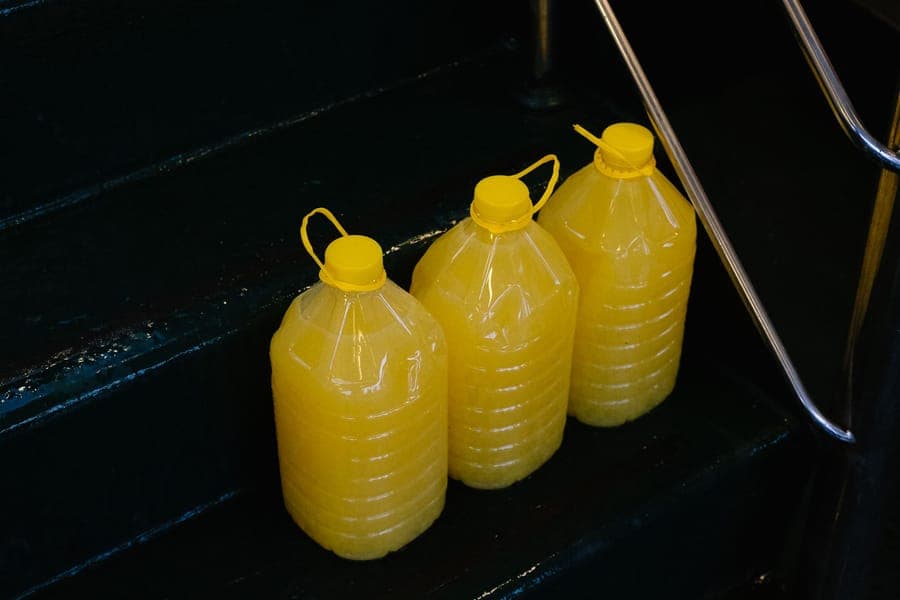
The everyday fluid for 400 to 1500 watt water-based machines, which is the right default when you are fogging a porch rather than engineering a graveyard creep.
- Type
- General-purpose fog fluid
- Machine range
- 400 to 1500 W water-based
- Output
- High output, long lasting
- Use
- Indoor and outdoor
Good
- Matches the wattage range most home machines actually sit in
- Cheaper per gallon than the specialist formulations
- Safe for the machines it is specified for, which protects the pump
Less good
- Shorter hang time than Swamp Juice outdoors
- Not chiller optimized
- General purpose means it is best at nothing in particular
- Hang time7.0
- Density8.0
- Machine safety9.0
- Outdoor suitability7.4
- Value8.8

Mister Kool II Low-Lying Fog Machine
ADJ
Makes genuinely low-lying fog from regular ice and water-based fluid, with no dry ice and no CO2 tank, which is why it is the default recommendation for a home yard haunt.
- Cooling
- Regular ice
- Fluid
- Water-based fog juice
- Heat-up
- About 3 minutes
- Consumables
- Ice and fluid, no dry ice
Good
- Ice cooling means no dry-ice sourcing problem on October 31
- Short heat-up, so it is ready when the first visitors arrive
- Fog genuinely hugs the ground rather than rising
Less good
- You are buying and melting ice all evening
- Output is modest next to a dry-ice machine
- Needs a level spot, because a tilted unit dumps meltwater
- Fog density7.8
- Stays low9.0
- Run time7.0
- Setup effort8.4
- Consumable cost7.2
Hang time is the outdoor specification
Indoors, hang time barely matters — the fog has nowhere to go. Outdoors it is the whole game, because fog that disperses in ninety seconds means the yard is clear by the time anyone reaches it.
Froggy's Swamp Juice is the reference point here, with a stated hang time of two to three hours in favorable conditions, and it is used by large commercial attractions. That is a manufacturer figure and *in favorable conditions* is doing real work in it — no fluid holds that in a breeze. But the relative difference between a long-hang-time fluid and general-purpose fluid outdoors is large and obvious.
Chiller fluid is a genuinely different product
If you are running a chiller or a low-lying machine, chiller-formulated fluid is not a marketing tier — it is chemistry built around the cooling step, designed to stay dense after chilling and travel across the ground rather than pooling at the nozzle.
The converse is also true and worth stating: chiller fluid in a bare standard machine will not produce low fog. The chilling does the work; the fluid makes the chilling more effective. Low-lying versus standard covers that split.
Machine safety, which is the boring important part
Fog fluid is specified for a wattage range, and the range matters. Fluid formulated for a 400-1500 watt machine run through something outside that band can carbonize in the heater block and clog the nozzle — and a clogged nozzle is the single most common cause of *why is my fog machine not making fog* the following season.
- Match the fluid to the machine's stated wattage range. It is printed on the bottle.
- Never use anything homemade. Oil, glycerin from a pharmacy, or anything improvised will damage the pump and can produce genuinely unpleasant output.
- Run fluid through before storage. A pump left full of drying residue is a pump that needs replacing.
- Do not mix formulations mid-tank if you can avoid it. It rarely does harm and it reliably muddles the effect you were trying to get.
Residue
All fog fluid leaves some residue as it settles, and outdoors this is mostly a non-issue — it lands on grass. It matters in two places: on a covered porch where it can make a hard floor slick, and on anything electrical the fog settles on for a month. Keep output away from walkways with hard surfaces, and away from exposed connections.
Higher-density and longer-hang-time fluids leave proportionally more residue, which is the honest cost of the effect they buy. Which fog fluid to buy makes the specific recommendations.
Frequently asked questions
Is fog fluid water based or glycol based?
Both, effectively. Consumer fog fluid is a water base carrying a glycol or glycerin fog-forming agent. What differs between products is the ratio and the specific agent, which is what changes hang time, density and residue.
What is the difference between fog fluid and low-lying fog fluid?
Low-lying or chiller fluid is formulated to stay dense after being cooled and to travel across the ground rather than pooling. It only pays off in a chilled setup — in a bare standard machine it will not produce low fog.
Can you make your own fog fluid?
You can, and you should not. Improvised mixtures damage pumps and heater blocks and can produce genuinely unpleasant output. Fluid is specified for a wattage range for a reason, and a clogged heater is a more expensive problem than the fluid you saved on.
Does fog fluid leave a residue?
Some, always. Outdoors on grass it is a non-issue. It matters on hard covered surfaces, where it can be slick, and on exposed electrical connections the fog settles on across a month.
Does fog fluid expire?
Sealed and stored out of direct sunlight it lasts a long time. Contamination is the real risk — an opened container that has had debris or water introduced can clog a machine, so keep it sealed between seasons.
Sources
About the author
Mike M.
Mike M. is the hands-on owner behind Iron Mako Media, which publishes Haunt & Hedge. The site covers the gear that builds a yard haunt, for the person who already decorates and adds one bigger piece a year.
We do not run a test lab and we do not claim to have physically tested products we have not. Read how we choose picks.