Roundup
The Best Halloween Projectors
Projection kits and outdoor units ranked on illusion quality, setup and how much ambient light they survive.
Top pick: Spooky Halloween Hollusion USB with Projection Screen
Category
Everything you bought is invisible after 7pm unless you light it. This is the cheapest upgrade in a yard haunt.
Disclosure: we earn a commission from qualifying purchases made through links on this page, at no extra cost to you. It does not change what we recommend — here is how we choose.
Halloween happens after dark, which makes lighting the only category here that everything else depends on. A three-hundred-dollar animatronic in an unlit corner is a dark shape. A fifty-dollar prop with a spot on it is a scene. Almost nobody gets the ratio of spend right the first time.
Spots before floods. This is counterintuitive and it is the most useful advice on this page.
A flood washes a broad area evenly, which raises the overall light level and flattens everything. A spot puts a narrow beam on one thing and leaves the rest dark. Contrast is what makes props read at night — the eye goes to the lit thing, and the dark around it does the atmospheric work. A yard with three well-aimed spots looks staged. The same yard with three floods looks like a parking lot with decorations in it.
Start with the outdoor lighting roundup for the fixtures, and the lighting color guide for which colors do what.
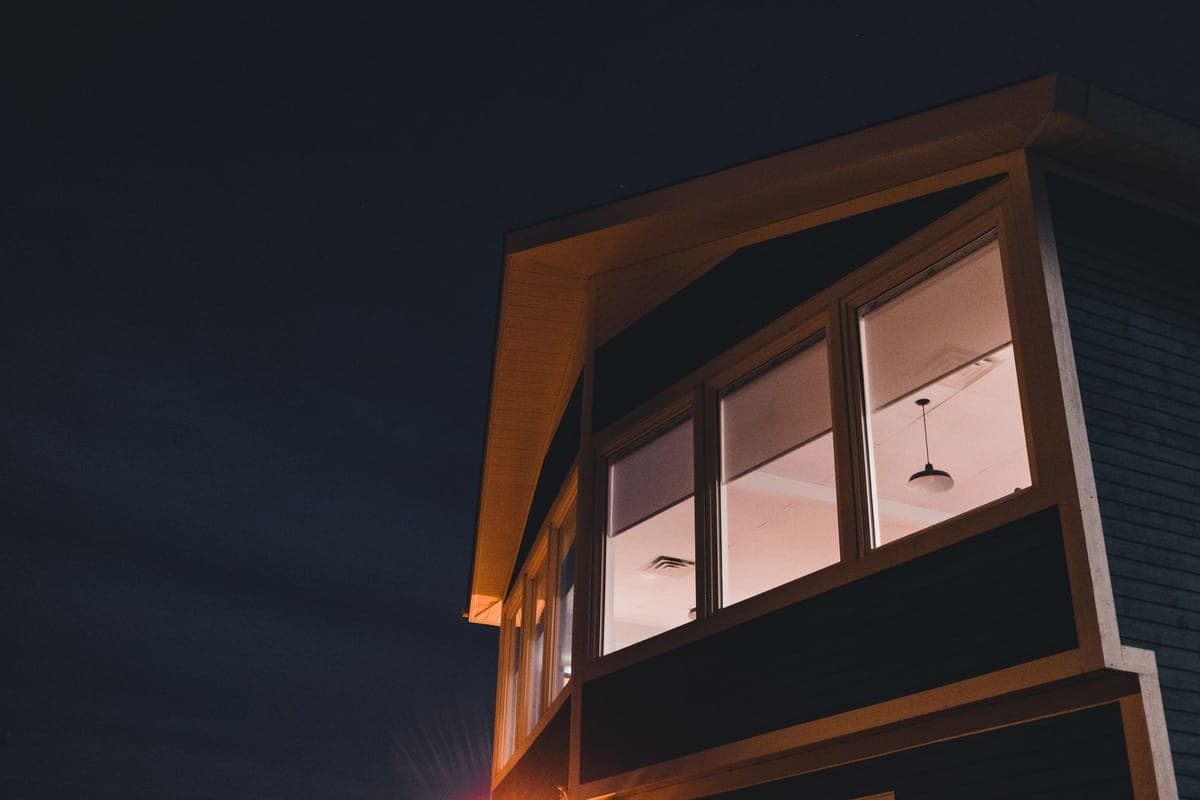
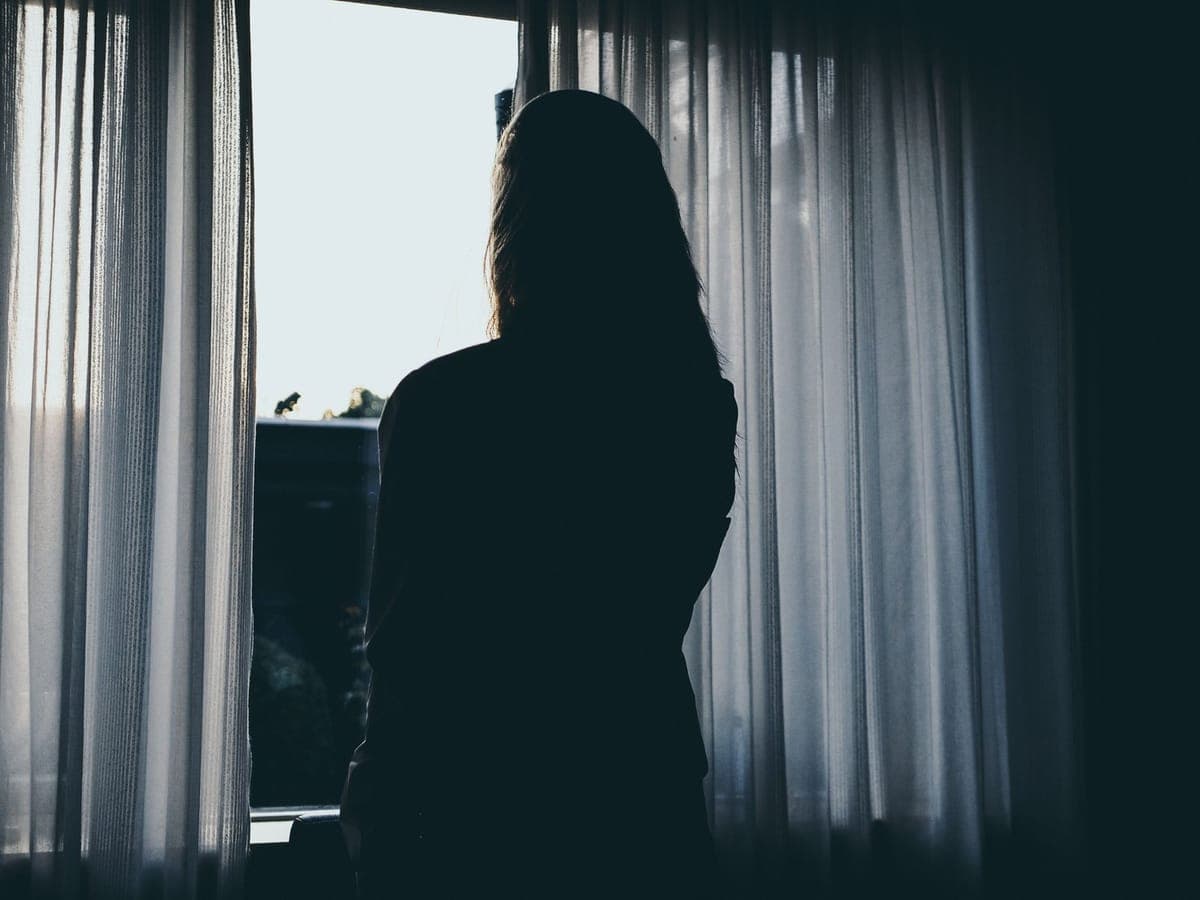
Projection deserves its own decision. There are two genuinely different setups: projecting onto the outside of the house, and projecting from inside onto a screen in a window. They need different gear and produce different effects. Window versus yard projection is the comparison, and the window projection setup guide is the build.
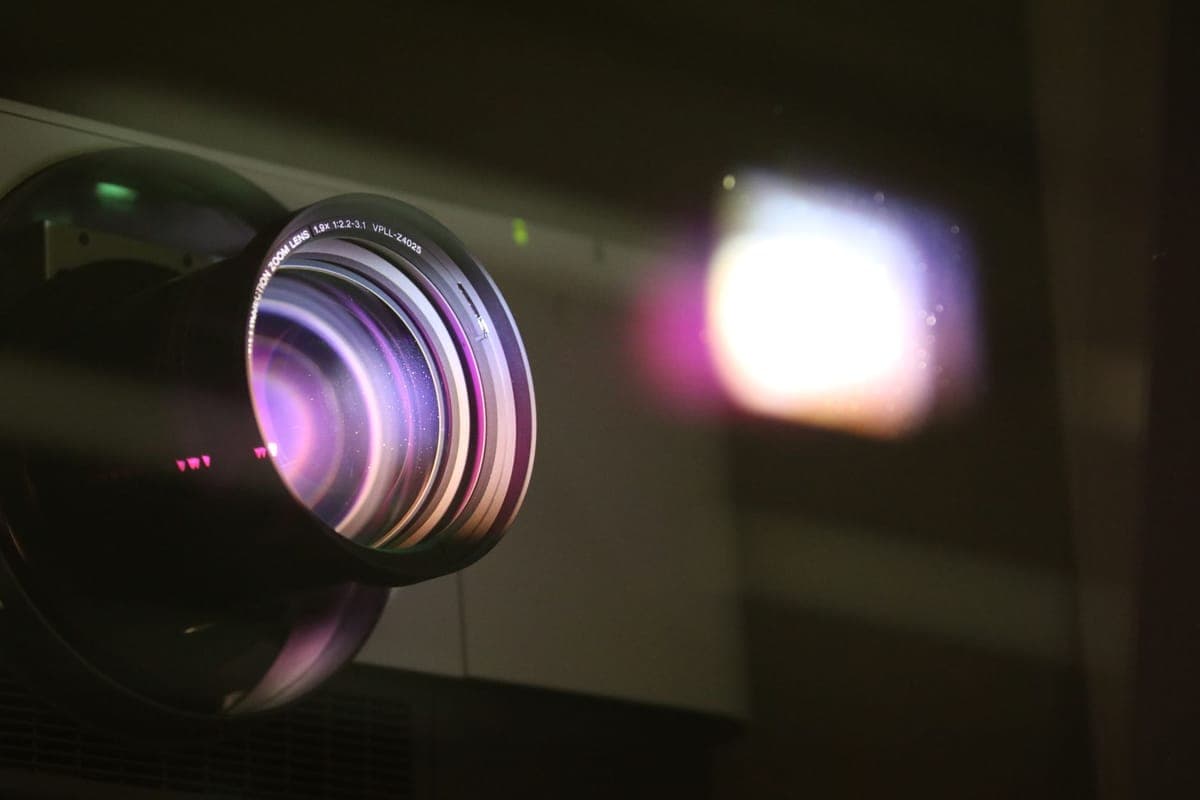
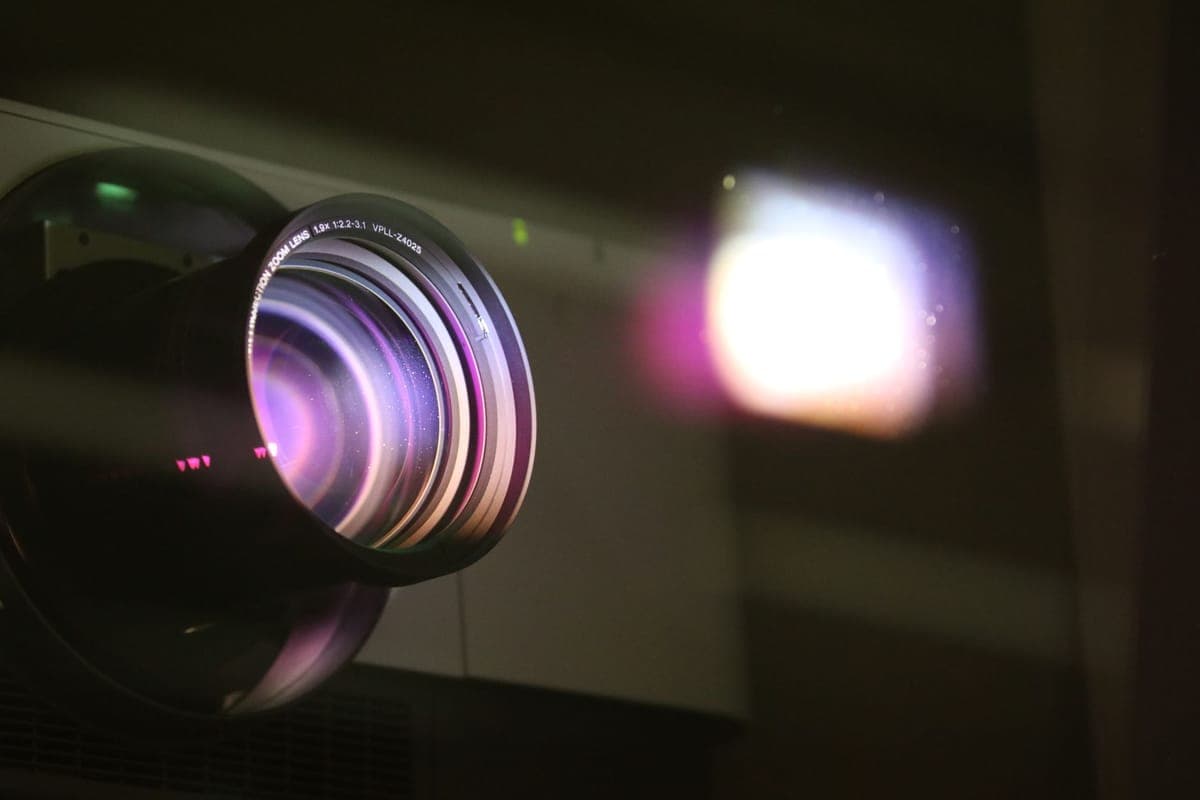
For fixtures: brightness, weather rating and control. An IP66-rated head with app control costs more than a colored bulb, and across a season it does considerably more. For projectors: brightness, not resolution. This is where money gets wasted. A 1080p projector that is too dim is useless outdoors; a 720p projector with enough lumens works fine, because at projection distances on a house wall nobody is resolving pixels — they are looking at whether the image is visible at all. How bright a Halloween projector needs to be puts numbers on that.
They light everything. The instinct when you have spent money on props is to make sure every one of them is visible, and the result is a uniformly lit yard with no depth. Leave areas dark on purpose. Light the thing you want looked at, and let the fog and the darkness handle the rest.
The second mistake is projecting onto the wrong surface. Video projection needs a light, flat, matte surface. Brick, dark siding and textured stucco eat the image. If your house is dark or textured, the honest options are a window projection from inside, a hung screen, or a laser pattern projector that works on texture — not a brighter projector.
Finally: aim matters to your neighbors. A spot at head height pointed across a property line, or a laser aimed anywhere near a road, is the fastest way to turn a display into a complaint.
Roundup
Projection kits and outdoor units ranked on illusion quality, setup and how much ambient light they survive.
Top pick: Spooky Halloween Hollusion USB with Projection Screen
Roundup
Laser and scene projectors that cover a whole facade cheaply, plus the washes that make them look intentional.
Top pick: Outdoor Halloween Laser Projector
Roundup
Spots, floods, bulbs and string lights ranked by the job each one does — and the order to buy them in.
Top pick: Outdoor Spot Lights (IP65)
Comparison
Purpose-made content and screens versus an all-in-one outdoor projector — illusion quality against convenience.
Comparison
Inside onto a screen or outside onto the house: which your property actually allows, and which looks better.
Guide
Screen, mounting, darkness, placement and content — the five-step build, and where it usually goes wrong.
Guide
Why brightness beats resolution outdoors, how ambient light sets the requirement, and the specs worth comparing.
Guide
What each color does, how to layer a display, and the aiming choices that separate staged from floodlit.
Buy on brightness first. Outdoors, ambient light from street lamps and neighbors is what kills an image, and lumens are what beat it. Resolution matters far less at projection distance. Weather rating matters if the projector sits outside rather than inside a window.
Hang a translucent rear-projection screen inside the window, darken the room behind it, place the projector roughly six to eight feet back, and play the effect. The purpose-made screen is the component that separates a convincing apparition from an obvious video on a curtain.
Deep red, blood orange, sickly green and purple are the usual four, and they work for a reason: they are far enough from normal household light to read as deliberate. The bigger factor is contrast — a single colored spot against darkness beats four colors everywhere.
If you already have outdoor floodlight fixtures pointed somewhere useful, colored PAR38 bulbs are the cheapest option by a wide margin. RGB floods cost more but let you change color, run scenes, and use them the rest of the year.