Roundup
The Best Halloween Inflatables
Six inflatables ranked on fan type, shape and night visibility — the three things that decide whether one lasts a season.
Top pick: Airblown Inflatable Halloween Character
Category
Height for the money, in a package one person can carry. The catch is wind, and the fix is cheaper than you think.
Disclosure: we earn a commission from qualifying purchases made through links on this page, at no extra cost to you. It does not change what we recommend — here is how we choose.
Inflatables buy more visible height per dollar than anything else in a yard haunt, and they store in a fraction of the space a rigid prop needs. That is the whole case for them, and it is a strong one. The counterargument is that they are the only category here that can be destroyed by a Tuesday.
Buy on the fan, not on the character. This is the single most useful thing on this page.
Inflatables come with one of two fan types: a heavy-duty base fan, or a small low-voltage internal blower. The base fan holds the fabric taut in gusts. The internal blower does not, so the fabric flogs — and flogging fabric is what tears seams, not the wind itself. Gemmy, Holidayana and a handful of others fit base fans as standard. A lot of the cheapest listings do not, and they rarely say so plainly.
Our full breakdown is in the wind-resistant inflatables roundup, which is the flagship page of this hub for a reason: weather survivability is the thing this category is judged on and almost nobody writes about it.
If your yard is exposed, or you are on a corner lot, weight your buying toward the wide-and-low end of that list. The geometry does more for survivability than any amount of anchoring can undo.
Size first, then fan quality, then lighting complexity, then license. The thing worth noticing is that fan quality and size are only loosely coupled: you can buy a very large inflatable with a mediocre internal blower, and that combination is the worst value in the category regardless of what it costs.
Fabric denier matters too, and it is the specification sellers are quietest about. Heavier fabric holds color longer, resists UV, and survives more seasons of being packed damp. It is also the reason two apparently identical inflatables can be priced very differently.
They use the stakes that came in the box. Those thin U-stakes hold fine in dry soil and pull straight out of saturated ground, which is exactly the condition you get in late October. Corkscrew ground anchors cost very little and hold in wet soil, and swapping them in is the highest-value upgrade in this entire hub. How to anchor an inflatable so it survives wind is the step-by-step.
The second mistake is packing it damp. An inflatable that goes into a bag with moisture in the fabric spends ten months growing mold in a dark garage, and you find out next October. Drying it properly is free and it roughly doubles the useful life of the thing — how long inflatables actually last goes into what determines that.
The third is leaving it up through a storm. An inflatable is not a permanent structure. Deflating it before real wind takes two minutes and is the difference between owning it next year and finding it in a neighbor's hedge.
Roundup
Six inflatables ranked on fan type, shape and night visibility — the three things that decide whether one lasts a season.
Top pick: Airblown Inflatable Halloween Character
Roundup
The flagship page of this hub: shapes and fans that survive gusts, plus the anchoring hardware that does the rest.
Top pick: 9 ft Inflatable UFO with LED Glow
Roundup
Entry-tier inflatables worth buying, the geometry that makes cheap ones survive, and the anchor upgrade they all need.
Top pick: Inflatable Jack-o'-Lantern Trio

Comparison
Presence, weather, power, setup and storage compared — plus which one suits an exposed lot and which suits a full garage.
Comparison
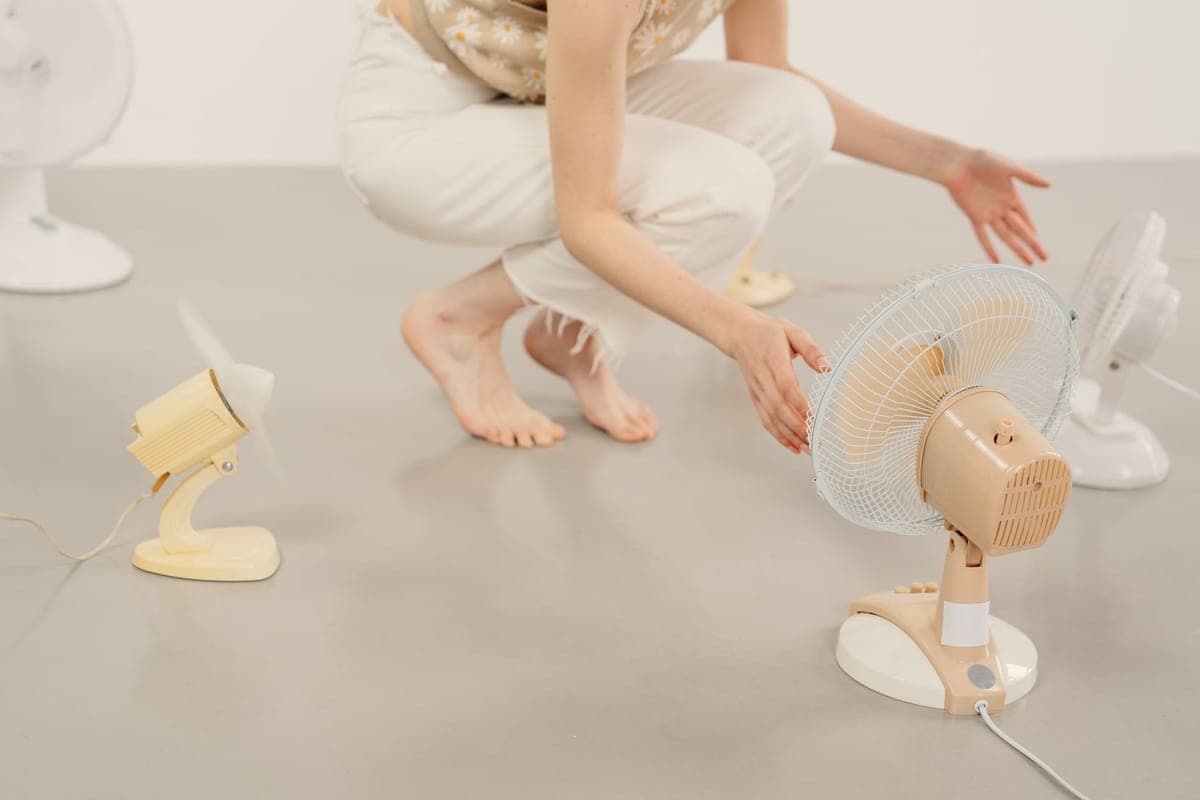
How to identify the fan before you buy, why it predicts wind survival, and which brands fit which type.
Guide
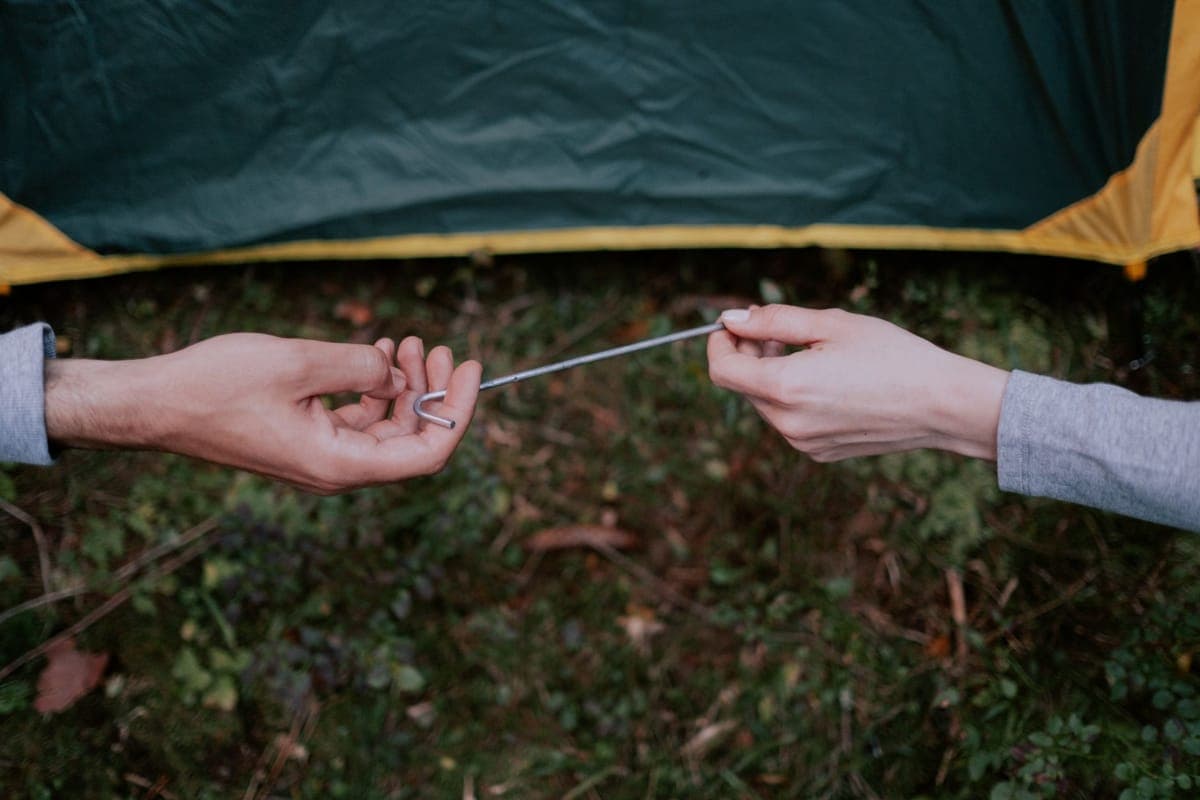
The full anchoring sequence: placement, geometry, corkscrew anchors, guy lines, weights and the re-check that prevents most failures.
Guide
Which props cope with rain and which do not, how to cover them without trapping condensation, and the connections that matter more.
Guide
What sets an inflatable's lifespan, what actually kills them early, and the free habit that doubles it.
Guide
A diagnostic order for a sagging or dead inflatable, from the free checks through to blower replacement.
Guide
What actually gets stolen, which deterrents work, and the measures that only feel like they do.
Replace the supplied U-stakes with corkscrew ground anchors, use every anchor point rather than the front two, add guy lines to the upper body on tall figures, and deflate it before forecast high wind. On concrete or pavers, use doubled sandbags instead of stakes.
Light rain is generally fine, because the fabric is coated and the blower keeps positive pressure inside. Heavy sustained rain is a different matter: water pools in the fabric folds, the weight distorts the shape, and the blower housing can take water in. Deflating and bringing it in is the honest answer for a real downpour.
In order of likelihood: the blower is unplugged or on a tripped GFCI, a seam or fabric tear is losing air faster than the blower can replace it, the air intake is blocked by fabric or debris, or the blower motor has failed. Our troubleshooting guide walks the sequence.
Individually no, but they run continuously for the whole season, which is different from an animatronic that runs for a few seconds per trigger. Several blowers plus a fog machine on one circuit is where displays actually trip breakers — see our power-draw guide for the arithmetic.