Roundup
The Best Halloween Animatronics for a Yard Haunt
Six animatronics ranked on street presence, weather tolerance and storage — not on how good the product video looks.
Top pick: Towering Boogeyman with Child
Category
The one big piece you add this year: what it costs, what it survives, and where it has to live in November.
Disclosure: we earn a commission from qualifying purchases made through links on this page, at no extra cost to you. It does not change what we recommend — here is how we choose.
Animatronics are where a yard haunt stops being decoration and starts being a display. They are also the category where the gap between the product video and your actual lawn is widest, so this page is about closing that gap before you spend anything.
If you own nothing in this category, buy one piece with real presence rather than four with none. A single flagship figure, lit properly, reads from the sidewalk. Four entry-tier props scattered across a lawn read as clutter from anywhere further than the mailbox.
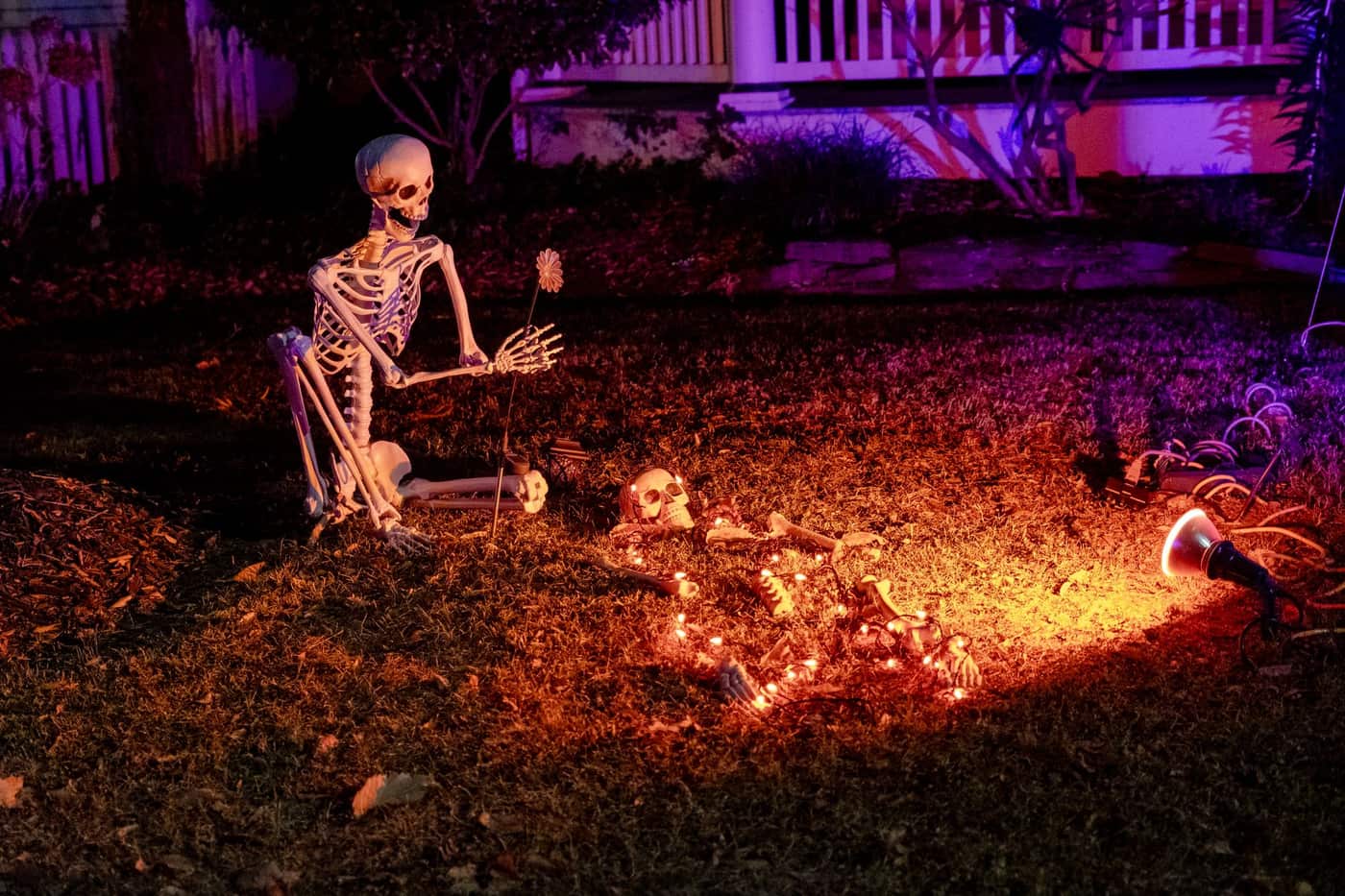
The one exception is groundbreakers — the half-figures that appear to be clawing up out of the ground. They are the only cheap format that genuinely improves in multiples, because a line of three hands emerging across a bed tells a story that one hand does not. If your budget is at the entry tier, buy three groundbreakers rather than one standing figure that cost the same.
Whatever you buy, budget for a light aimed at it. An unlit animatronic after 7pm in late October is a dark shape. See the lighting hub for what that actually costs, and our outdoor lighting roundup for the specific fixtures.
Four formats, and they solve genuinely different problems:
Twelve-foot skeletons sit inside this hub rather than getting their own section because buyers shop them as the same decision: what is my one big piece this year. If a giant is what you are weighing, start with the 12-foot skeleton roundup and then read the alternatives comparison before you queue outside a store in August.
Three things, in this order:
What does *not* reliably scale with price in this category is weather tolerance. Plenty of flagship figures are rated for the same light moisture as the entry tier, because the housing design is driven by the motor, not by the price. Read our answer on whether animatronics are waterproof before you assume an expensive prop is a weatherproof one.
They buy the prop and skip the three things that keep it alive: anchoring, power and storage.
Anchoring is the one that ends seasons. A standing figure on a wet lawn in a gusty week does not fall over gently; it falls onto its own control housing. Storage is the one that ends multi-year ownership — the box a giant shipped in will not survive a second trip into a loft, and people find that out in November when it is too late to plan. Power is the one that produces the mid-evening blackout, because five props and a fog machine on one household circuit is a real load, not a theoretical one.
All three are solvable and none of them are expensive. How to keep a 12-foot skeleton from falling over covers anchoring. What a display actually draws covers power, with a watts-per-prop table. How to store a 12-foot skeleton covers the November problem.
The second mistake is timing. The headline giants sell out early and stay sold out — by mid-October you are shopping what is left, not what you wanted. When animatronics go on sale is the calendar for that.
Roundup
Six animatronics ranked on street presence, weather tolerance and storage — not on how good the product video looks.
Top pick: Towering Boogeyman with Child
Roundup
Entry-tier animatronics that earn their place, plus the buying strategy that makes cheap props read as a scene rather than clutter.
Top pick: Animated Zombie Groundbreaker with Light-Up Eyes
Roundup
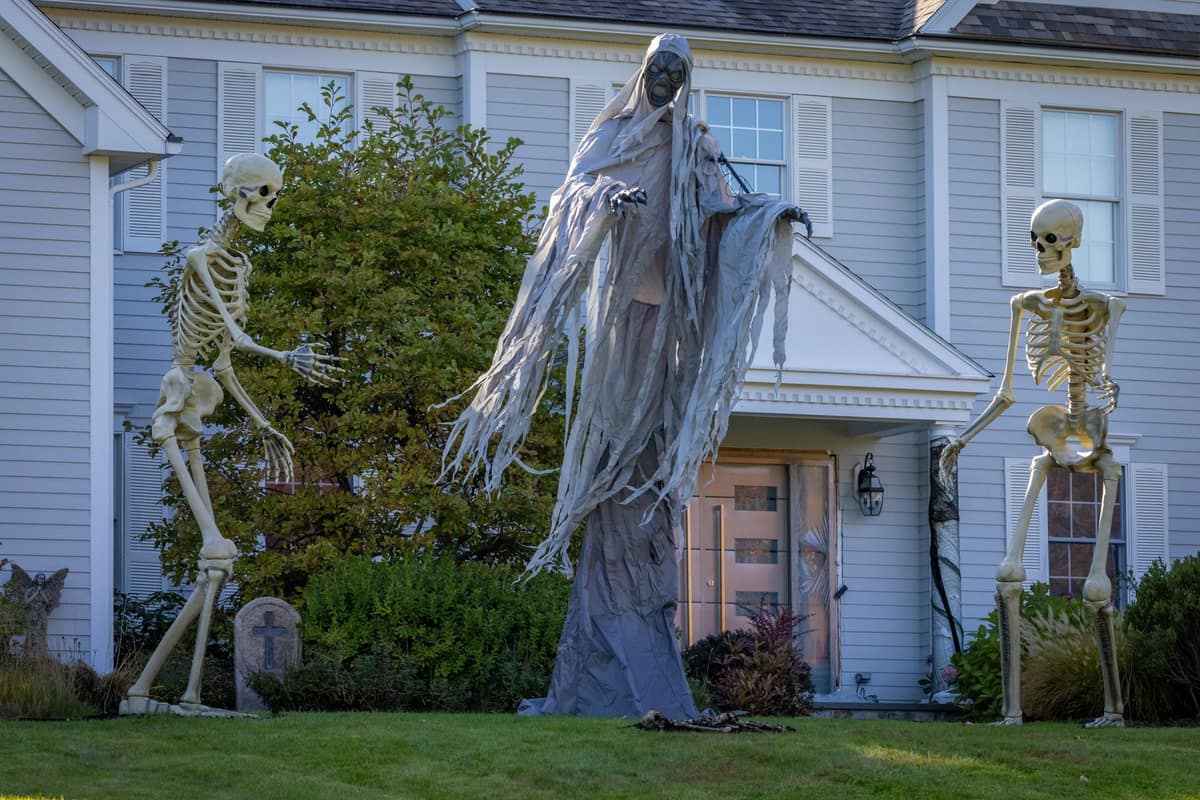
Giant skeletons compared on height, eyes, assembly and storage — including the ones that are not twelve feet tall.
Top pick: 12 FT Giant-Sized Skelly with LifeEyes LCD Eyes
Reference link. We do not earn a commission from The Home Depot.
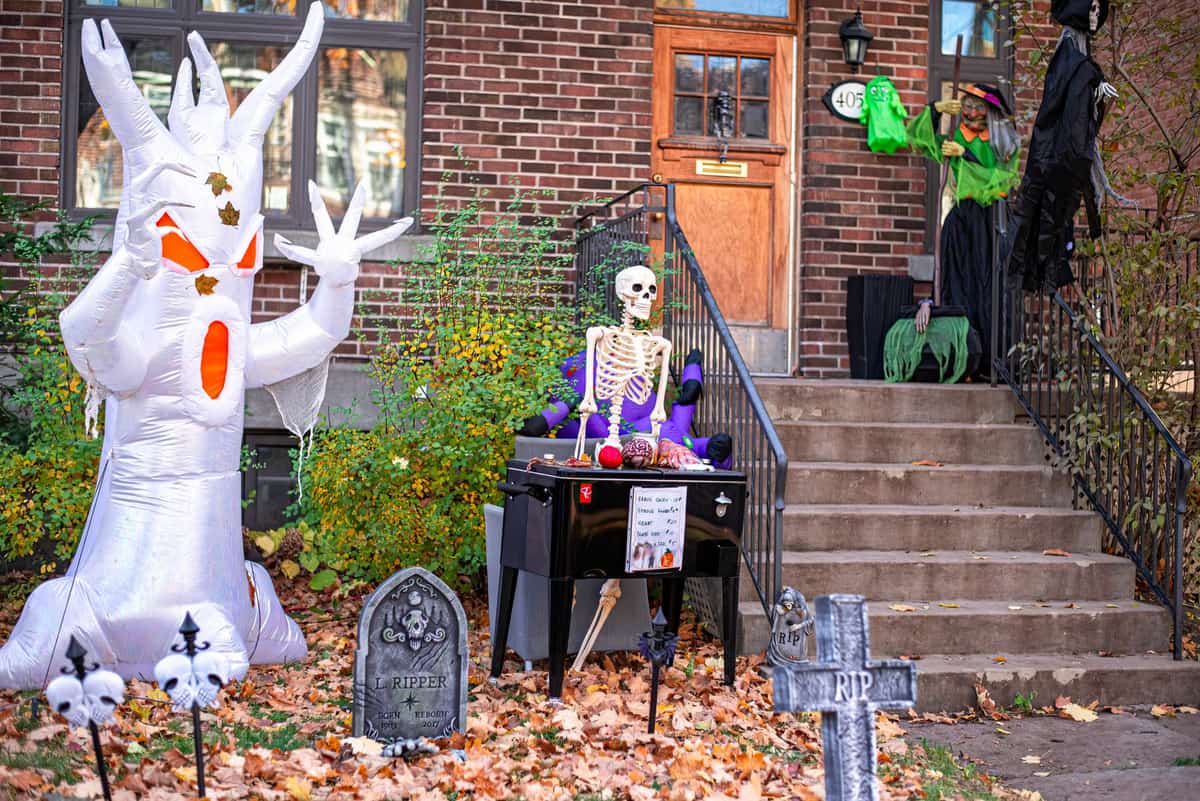
Roundup
The biggest props that still make sense on a normal lot, ranked on presence, wind behavior and what they cost you in storage.
Top pick: 12 FT Giant-Sized Skelly with LifeEyes LCD Eyes
Reference link. We do not earn a commission from The Home Depot.
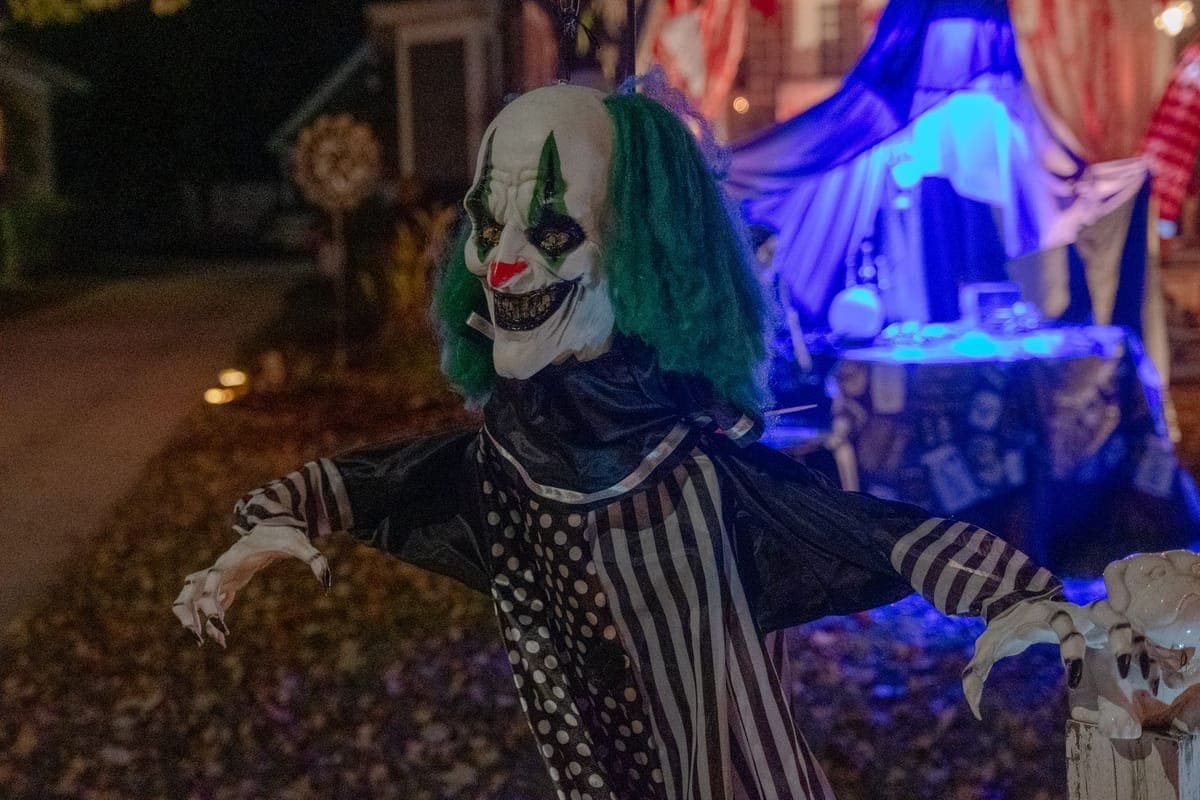
Comparison
Scale versus licensing: how the big-box giants and the specialist horror retailer actually differ, and which one fits your display.
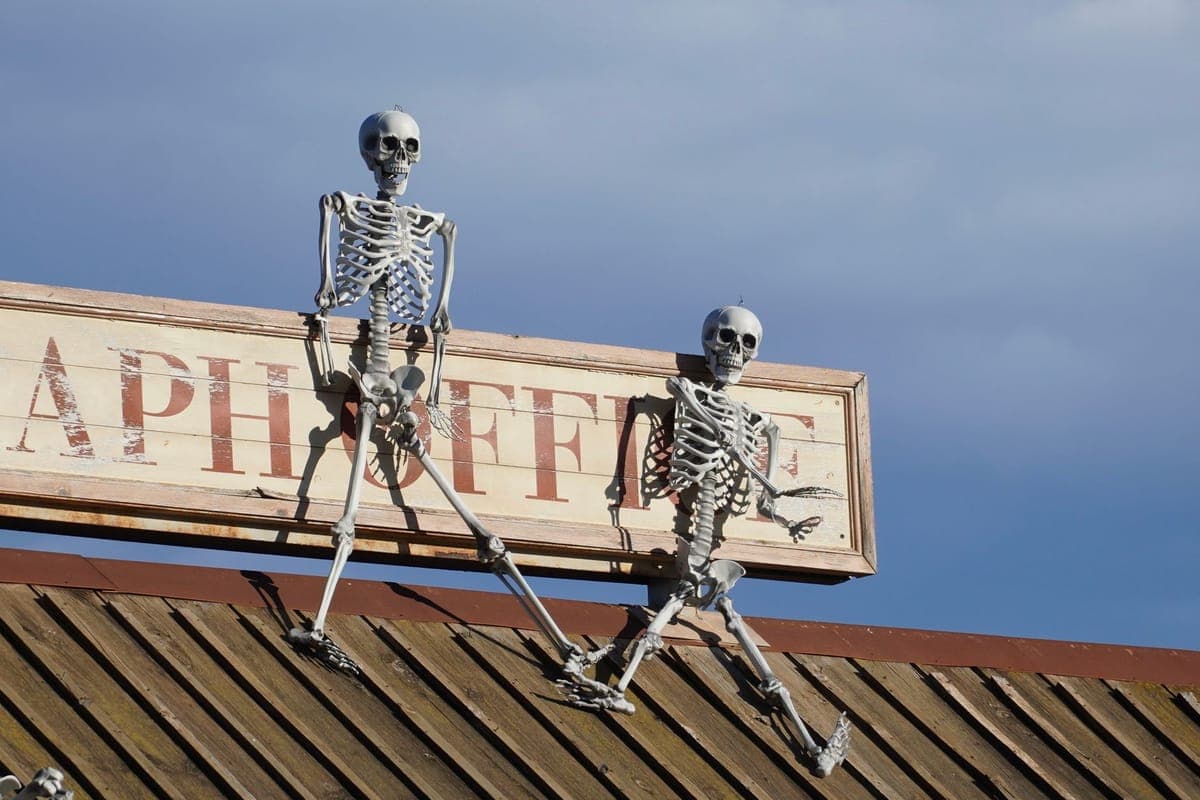
Comparison
Home Depot, Lowe's, Costco and inflatable giants side by side on the four specifications that actually differ.
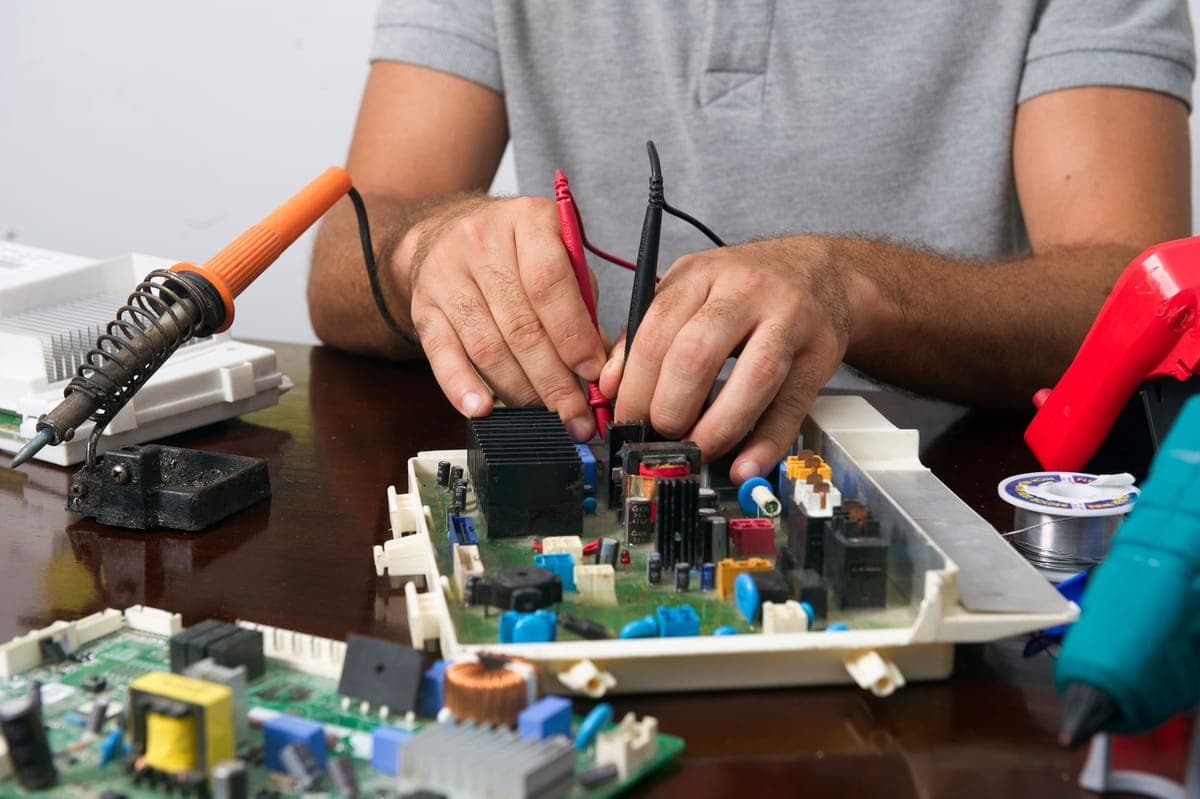
Guide
The motor, the trigger, the controller and the speaker — what each does, and which one is about to break.

Guide
The direct answer, what the ratings mean, what fails first when a prop gets wet, and the cheap fix.

Guide
Assembly order, ground anchors and guy lines — the sequence that keeps a giant standing through a wet, windy October.
Guide
The failure order on a giant skeleton, which parts are genuinely replaceable, and the generic hardware that substitutes.
Guide
Stock timing, sell-out risk and clearance windows — and what is actually worth buying at each point in the year.
Almost none of them are. Most are rated for light moisture only — a fine mist, not rain. The motor housing and the fabric are the weak points, and price is a poor predictor. If you want one out in real weather you are either buying a cover or bringing it in when the forecast turns.
Far less than most people expect. A single standing animatronic is a small motor and some LEDs, and it is only actually moving for a few seconds per trigger. The expensive things to run in a yard display are inflatable blowers and fog machines, both of which run continuously.
One with real presence, unless you are buying groundbreakers. Scale is what reads from the street. The exception is the groundbreaker format, which genuinely works better in threes because a line of them tells a story a single one cannot.
Physically yes, and most people do. Whether it survives depends almost entirely on your weather and whether you cover it overnight. A prop that is covered when it rains and uncovered at dusk will last several seasons longer than the identical prop that is not.