Power, Timers & Setup
The Best Outdoor Extension Cords for Halloween
Gauge is the number that matters, and it runs backwards from intuition. Lower is thicker.
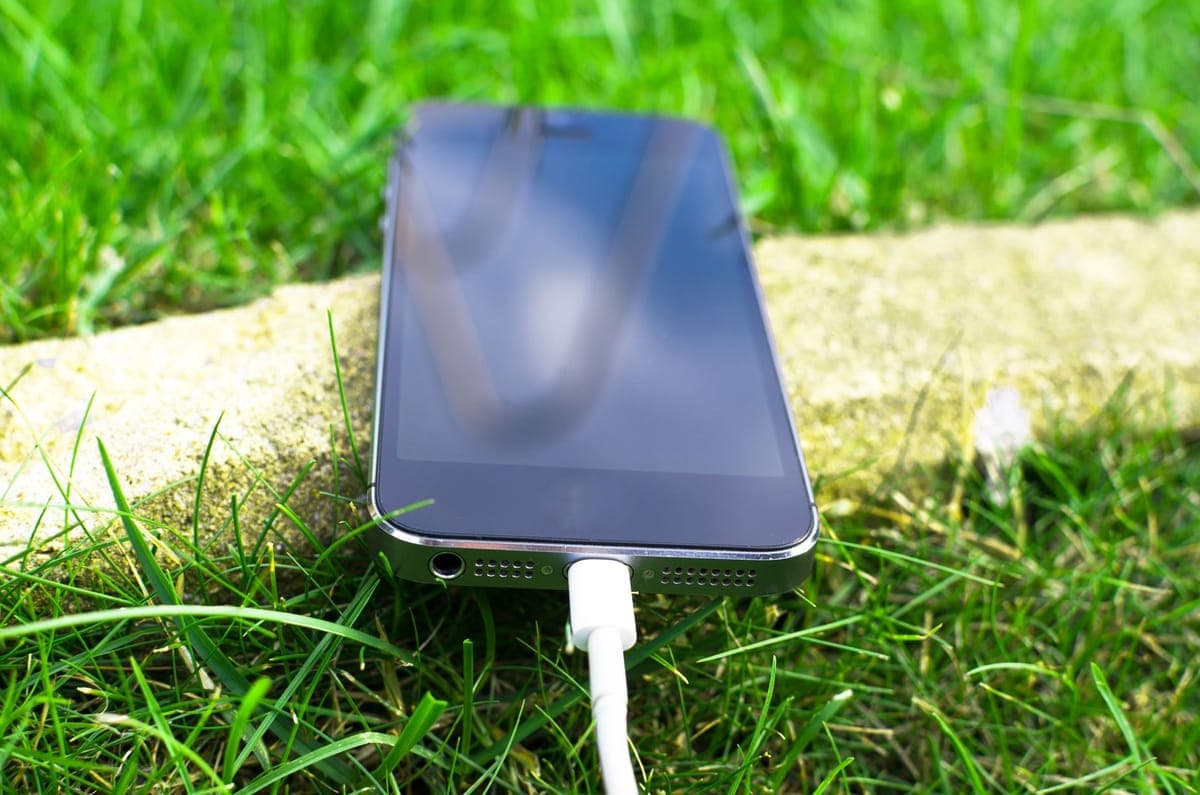
Disclosure: we earn a commission from qualifying purchases made through links on this page, at no extra cost to you. It does not change what we recommend — here is how we choose.
The short answer
For a long run feeding motors — inflatable blowers, a fog machine — buy 12-gauge outdoor-rated cord. For a short run feeding LED lights or one small prop, 16-gauge is fine and much easier to hide. Lower gauge numbers mean thicker copper and less voltage drop over distance.
Nobody photographs the extension cords, which is why this is the least-served topic in the whole Halloween category and the reason half of all displays fail mid-evening. It is also completely solvable with four purchases and some arithmetic.
Quick picks
Ranked on the criteria below. Tap a row to jump to the full write-up.
| # | Product | Best for | Score | Price |
|---|---|---|---|---|
| 1 |  12-Gauge Outdoor Extension Cord Gauge is the number that matters and it runs the counterintuitive way. | Long runs and heavy loads | 8.6 | |
| 2 | 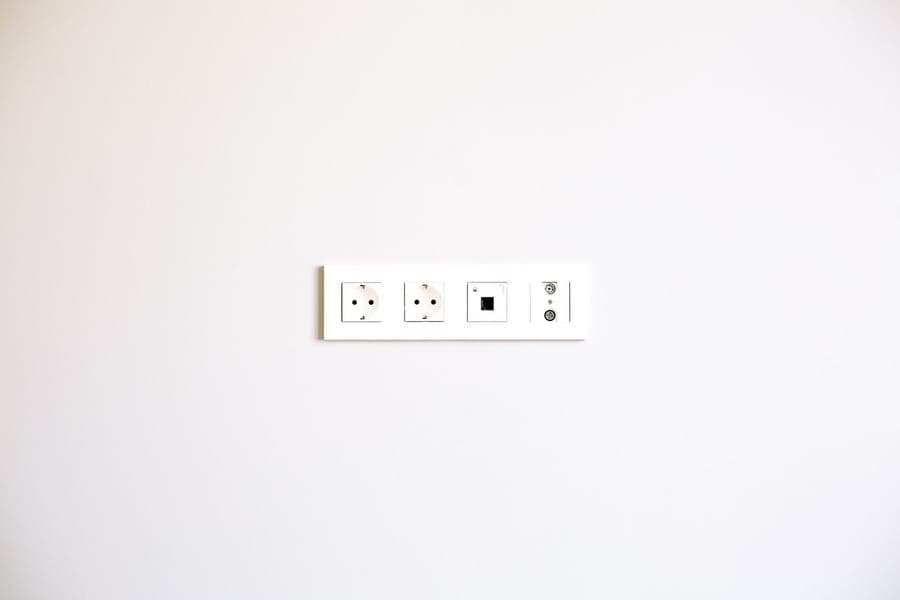 Outdoor Smart Wi-Fi Plug, 6-Outlet Power Stake Six weatherproof outlets on a stake, with scheduling. | Running the whole display | 8.8 | |
| 3 |  25 ft Outdoor Extension Cord with Light Timer Cord, multiple weatherproof outlets and a timer in one ETL-listed unit, which removes two of the three things that usually go wrong out there. | Cord and timer in one | 8.4 | |
| 4 |  Weatherproof Extension Cord Connector Box Every cord-to-cord joint sitting in wet grass is a fault waiting to trip a breaker. | Keeping joints dry | 8.8 | |
| 5 |  Portable GFCI Adapter If the outdoor outlet you are using is not already GFCI protected, a plug-in adapter is the cheapest way to fix that, and it is not optional on a wet lawn. | Outlets that are not protected | 9.0 | |
| 6 |  16-Gauge Outdoor Extension Cord Fine for a short run feeding LED lights or a single small prop, and wrong for anything with a motor or a heating element on the end of it. | Short runs and light loads | 7.0 |
Scores are our own editorial rubric for best outdoor extension cords halloween. They are not customer ratings, and we do not publish star ratings or review counts for products.
Gauge, in one table
| Gauge | Thickness | Typical use | Avoid for |
|---|---|---|---|
| 12 AWG | Thickest common | Long runs, fog machines, several blowers | Nothing — just heavy and stiff |
| 14 AWG | Middle | Medium runs, a couple of props | Very long runs with heavy load |
| 16 AWG | Thin | Short runs, LED string lights, one small prop | Motors, heaters, long runs |
The counterintuitive part is that lower numbers are thicker. A 12-gauge cord has more copper in it than a 16-gauge one, so it carries more current with less voltage drop. That matters over distance: a long thin cord feeding a fog machine will get warm, dim the lights on the same run, and eventually trip something.
Check the jacket code too. Outdoor-rated cord carries a W in its type designation and a jacket built for UV and moisture. Indoor cord run across a lawn is a genuine hazard, not a shortcut.
The picks, in order
12-Gauge Outdoor Extension Cord
Various
Gauge is the number that matters and it runs the counterintuitive way: lower is thicker. For a long run feeding blowers and a fog machine, 12-gauge is the one to buy.
- Gauge
- 12 AWG, the thickest common household size
- Use
- Long runs, high total load
- Rating
- Outdoor rated, look for a W in the jacket code
- Trade-off
- Heavy and stiff
Good
- Least voltage drop over a long run
- Handles a fog machine plus blowers without getting warm
- Thick jacket survives being walked on and mowed near
Less good
- Heavy and stiff, which makes it a pain to route and to coil
- Costs noticeably more per foot
- Overkill for a single string of LEDs
- Current capacity9.6
- Weather rating8.8
- Run length9.4
- Handling5.8
- Value7.2
Outdoor Smart Wi-Fi Plug, 6-Outlet Power Stake
BN-LINK
Six weatherproof outlets on a stake, with scheduling. This is the part that turns a pile of extension cords into a display that switches itself on at dusk.
- Outlets
- 6, weatherproof
- Form
- Ground stake with a short lead
- Control
- Wi-Fi app scheduling
- Placement
- Central to the display, off the ground
Good
- One cord from the house instead of six
- Scheduling means the display runs whether or not you are home
- Weatherproof outlet covers rather than open sockets
Less good
- Wi-Fi at the far end of a yard is often the real limitation
- Total load across six outlets still has to stay inside the circuit
- App account required, which some people will not want
- Weather rating8.6
- Outlet count9.4
- Scheduling9.2
- Setup effort8.4
- Value8.6
25 ft Outdoor Extension Cord with Light Timer
Kasonic
Cord, multiple weatherproof outlets and a timer in one ETL-listed unit, which removes two of the three things that usually go wrong out there.
- Length
- 25 ft
- Outlets
- Multiple, weatherproof
- Timer
- Built in
- Listing
- ETL listed
Good
- One product instead of a cord plus a timer plus an adapter
- ETL listing, which a lot of seasonal-aisle cords do not carry
- Weatherproof outlet covers built in
Less good
- Twenty-five feet is short for a deep front yard
- A built-in timer means a timer failure is a cord failure
- Fixed outlet spacing does not suit every layout
- Weather rating8.4
- Outlet count8.0
- Scheduling7.6
- Setup effort9.0
- Value8.8
Weatherproof Extension Cord Connector Box
Various
Every cord-to-cord joint sitting in wet grass is a fault waiting to trip a breaker. A sealed connector box is the cheapest fix on this entire site.
- Type
- Sealed cord-joint enclosure
- Fits
- Standard cord couplings
- Rating
- Look for an outdoor or weather-resistant listing
- Reusable
- Yes
Good
- Removes the most common outdoor-display electrical fault
- Keeps the joint off the ground as well as out of the rain
- Reusable every season
Less good
- One box per joint, and displays have a lot of joints
- Bulky compared with tape, which is what most people use instead
- Not a substitute for outdoor-rated cord and a GFCI
- Protection9.0
- Fit versatility8.0
- Durability8.4
- Ease of use8.8
- Value9.2
Portable GFCI Adapter
Various
If the outdoor outlet you are using is not already GFCI protected, a plug-in adapter is the cheapest way to fix that, and it is not optional on a wet lawn.
- Type
- Plug-in ground-fault circuit interrupter
- Use
- Any unprotected outdoor outlet
- Test
- Press test and reset before every season
- Note
- Not a replacement for correct wiring
Good
- Adds ground-fault protection without an electrician
- Small, cheap and reusable
- Testable, so you can confirm it works
Less good
- A nuisance trip mid-evening kills the whole display at once
- Does not fix undersized or damaged cord
- Needs its own weather protection at the outlet
- Safety value9.6
- Weather rating7.0
- Ease of use9.4
- Reliability8.0
- Value9.4
16-Gauge Outdoor Extension Cord
Various
Fine for a short run feeding LED lights or a single small prop, and wrong for anything with a motor or a heating element on the end of it.
- Gauge
- 16 AWG, thin
- Use
- Short runs, low draw
- Rating
- Outdoor rated
- Limit
- Not for fog machines or multiple blowers
Good
- Light, flexible and easy to hide
- Cheap enough to have several
- Right tool for LED strings and single low-draw props
Less good
- Voltage drop over long runs is real and will dim lights
- Not appropriate for motors or heaters
- Thin jacket damages easily underfoot
- Current capacity5.4
- Weather rating7.6
- Run length5.6
- Handling9.4
- Value9.0
One cord out, then distribute
The failure pattern in most displays is four thin cords daisy-chained across a lawn with the joints lying in wet grass. Every joint is a fault waiting to trip a GFCI, and every thin cord is voltage drop.
The pattern that works is one heavy cord from the house to the middle of the display, then a weatherproof multi-outlet stake to distribute locally. Fewer joints, shorter secondary runs, and one obvious place to switch everything.
- One 12-gauge run from a GFCI-protected outdoor outlet to the center of the display.
- A weatherproof multi-outlet stake there, off the ground, with covered outlets.
- Short 16-gauge runs from the stake to individual low-draw props.
- A sealed connector box on every cord-to-cord joint that remains.
- A ramp anywhere cord crosses a path people walk on in the dark.
The joint is the fault
A cord-to-cord connection sitting in wet grass is the single most common outdoor electrical fault in a Halloween display. It trips GFCIs mid-evening, it corrodes across a season, and it is why a display that worked at 6pm is dead at 8pm.
A sealed connector box costs pocket change and removes the problem entirely. Get the joint off the ground as well as out of the rain, and leave a drip loop in the cord before the connection so water runs off the loop rather than into the joint.
GFCI is not optional
Anything plugged in outdoors should be on a ground-fault-protected circuit. If the outlet you are using is not already protected, a plug-in GFCI adapter adds that protection cheaply, and it is testable so you can confirm it works.
If a GFCI keeps tripping, do not keep resetting it. That is the device doing its job, and the fault is usually a wet joint somewhere on the run. Yard haunt electrical safety covers what is worth investigating yourself and what needs a licensed electrician.
How much load is on that cord
A typical household branch circuit is 15 amps, roughly 1,800 watts, and the practical continuous limit is lower. Several inflatable blowers, a fog machine, a projector and a run of lights add up faster than people expect, and the fog machine is frequently the biggest single draw in the yard.
What a Halloween display actually draws has a watts-per-prop table and shows the arithmetic, including how to split across two circuits when one is not enough.
Frequently asked questions
What gauge extension cord do I need for Halloween decorations?
12-gauge for a long run feeding motors such as blowers or a fog machine. 16-gauge is fine for a short run feeding LED lights or one small prop. Lower gauge numbers mean thicker copper and less voltage drop.
Can I use an indoor extension cord outside for Halloween?
No. Outdoor-rated cord has a jacket built for UV and moisture and carries a W in its type designation. Indoor cord run across a wet lawn is a genuine hazard, not a shortcut.
How do I stop my extension cord connections getting wet?
Put every cord-to-cord joint in a sealed connector box, keep the box off the ground, and leave a drip loop in the cord before the connection so water runs off the loop instead of into the joint.
Can you daisy chain extension cords for Halloween decorations?
You can, and every joint is another failure point plus more voltage drop. Far better is one heavy cord to the middle of the display, then a weatherproof multi-outlet stake to distribute locally.
Why does my Halloween display keep tripping the breaker?
Either total load is over what the circuit can carry, or a ground fault — usually a cord joint sitting in water. Add up the watts first, and if that is within limits, hunt the wet joint rather than resetting repeatedly.
About the author
Mike M.
Mike M. is the hands-on owner behind Iron Mako Media, which publishes Haunt & Hedge. The site covers the gear that builds a yard haunt, for the person who already decorates and adds one bigger piece a year.
We do not run a test lab and we do not claim to have physically tested products we have not. Read how we choose picks.