Power, Timers & Setup
Yard Haunt Electrical Safety
Wet ground, long cords, and children running in the dark. Here is what actually matters and where to stop.
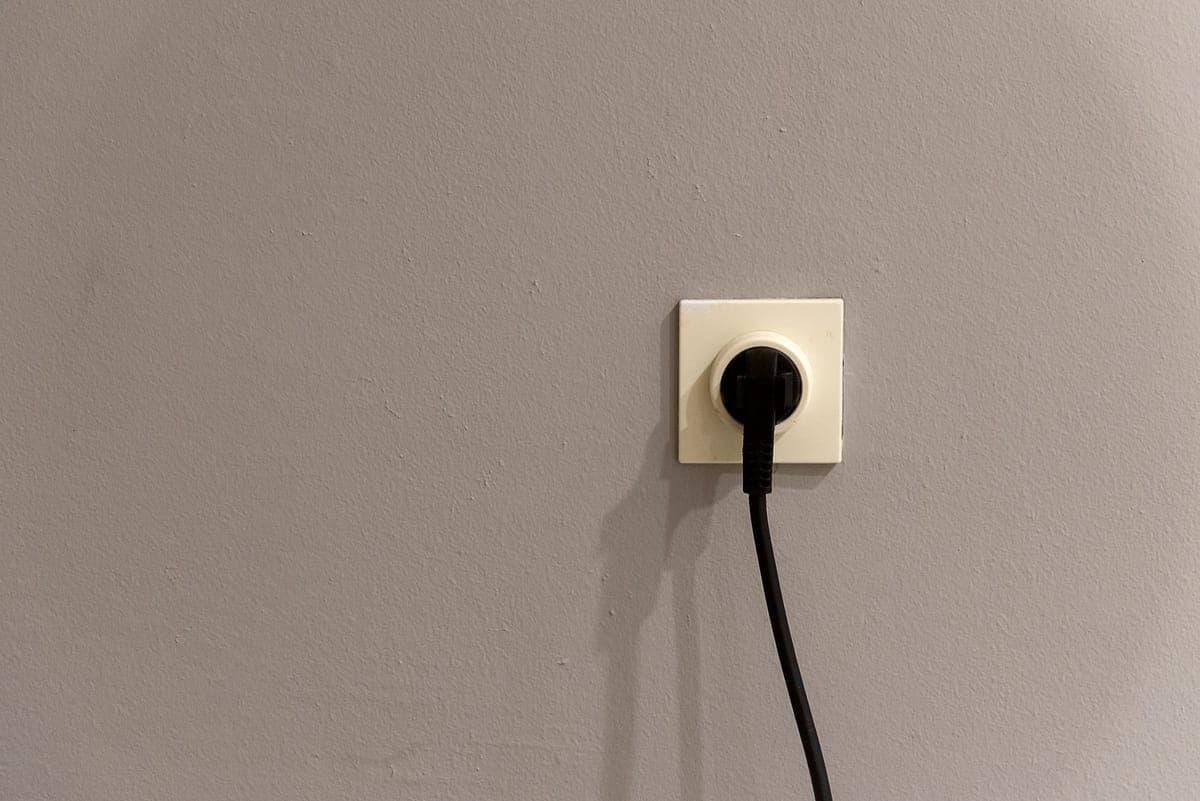
No products on this page. This is troubleshooting and safety content, and we do not attach buy links to it. Why we do that.
The short answer
The essentials: GFCI protection on every outdoor circuit, outdoor-rated cord of the correct gauge, every connection sealed and off the ground, total load kept inside the circuit's rating, and cord crossings ramped. Anything involving fixed wiring, a panel or a buried cable belongs to a licensed electrician.
There are no product recommendations on this page, on purpose. It exists to help you decide what is safe and when to stop, and hanging purchases off that judgment would make it a worse page. The hardware itself is covered on the extension cord roundup and the timers roundup, where the context is a buying decision rather than a safety one. Our reasoning is on the editorial policy page.
The five things that matter most
1. GFCI protection on everything outdoors
A ground-fault circuit interrupter cuts power when current is leaking to ground — through wet grass, through a damaged cord, or through a person. On a lawn in October, with a month of cords and connections out in the weather, this is the protection that matters most.
Modern outdoor outlets are generally GFCI protected. Older ones may not be, and an outlet that looks like a normal socket may be protected upstream or may not be. If in doubt, a plug-in GFCI adapter adds protection to any outlet, and it has a test button so you can confirm it works. Test it at the start of the season and after any heavy rain.
If a GFCI trips repeatedly, that is the device doing its job. Find the fault instead of resetting it — it is usually a connection sitting in water.
2. Outdoor-rated cord, correctly sized
Outdoor cord has a jacket built for UV and moisture and carries a W in its type designation. Indoor cord degrades in sunlight and is not built to sit in wet grass for a month.
Gauge matters as much as rating. An undersized cord under heavy load gets warm, and warm is the early stage of a problem you do not want later in the month. Lower gauge numbers are thicker: 12-gauge for long runs feeding motors, 16-gauge only for short low-draw runs.
Inspect every cord before you route it. Cuts, nicks, crushed sections and a damaged ground pin are all reasons to retire a cord rather than tape it.
3. Keep connections dry and off the ground
A cord-to-cord joint lying in wet grass is the most common electrical fault in a Halloween display. Sealed connector boxes solve it, and so does raising the joint off the ground and leaving a drip loop in the cord before it so water runs off rather than in.
The same applies at the house: an outdoor outlet in use for a month wants a weatherproof in-use cover, not just a flap that no longer closes because there is a plug in it.
4. Stay inside the circuit's rating
A typical 15-amp branch circuit is about 1,800 watts, with a practical continuous ceiling nearer 1,440 — and it may already be feeding things indoors. Several blowers plus a fog machine gets there faster than people expect.
Add it up before the season rather than discovering it on the night. What a Halloween display actually draws has the reference table and the arithmetic, including splitting across two circuits.
5. Manage the human hazards
- Ramp every cord that crosses a path. Children running on an unfamiliar path in the dark is the specific risk.
- Keep cords out of standing water and away from downspouts.
- Keep fog away from the sidewalk and road. Reduced visibility where cars are is the most serious risk in a yard haunt.
- Watch residue on hard surfaces. Fog residue on a covered porch floor can be slick.
- Keep heat sources clear of fabric. Fog machines and hot fixtures near costumes, straw or dried plant material.
Where to stop and call an electrician
Plugging things into existing outlets, running extension cords, and adding plug-in adapters and timers is ordinary homeowner work. The following are not:
- Adding a new outdoor outlet or circuit. Fixed wiring, and generally permitted work.
- Replacing or adding a GFCI outlet. A plug-in adapter is the safe alternative if you are not qualified.
- Anything in the panel. Breakers, tandem breakers, anything behind the cover.
- Buried cable. Direct-burial cable, depth and conduit requirements are code matters, not preferences.
- A circuit that trips repeatedly with no obvious wet joint. That is a fault to diagnose, not a nuisance to work around.
- Anything involving old or aluminum wiring, or a panel that looks its age.
The rule of thumb: if the work stops being something you plug in and starts being something you wire in, it belongs to somebody licensed.
A five-minute pre-season check
- Press test and reset on every GFCI you are using, and confirm it actually cuts power.
- Inspect every cord end to end for cuts, nicks and crush damage. Retire anything doubtful.
- Check the ground pin is present and straight on every plug.
- Confirm each cord's gauge suits the load and distance you are asking of it.
- Total the watts on each circuit and compare against its practical ceiling.
- Walk the finished route looking for crossings, low points where water collects, and joints you cannot reach.
Repeat the GFCI test and the walk after the first heavy rain. That is when wet joints announce themselves, and it is the check that prevents a dead display on the busiest night.
Frequently asked questions
Do I need a GFCI for outdoor Halloween decorations?
Yes. Anything plugged in outdoors should be on a ground-fault-protected circuit. If the outlet is not already protected, a plug-in GFCI adapter adds it and can be tested to confirm it works.
Are extension cords safe for Halloween displays?
Outdoor-rated cord of the right gauge, with GFCI protection and every joint sealed and off the ground, is normal and safe. Indoor cord, undersized cord and connections lying in wet grass are not.
Why does my Halloween display keep tripping the GFCI?
Almost always a connection sitting in water, or a damaged cord. That is the device working correctly. Find and fix the fault rather than resetting repeatedly, and if there is no obvious wet joint, have it looked at.
Can I run Halloween decorations off one outlet?
Only within the circuit's limit. A 15-amp circuit is about 1,800 watts with a practical ceiling nearer 1,440, and it may already be serving things indoors. Outlet count is never the constraint — total watts is.
When should I call an electrician for a yard display?
Any time the work stops being something you plug in: a new outdoor outlet or circuit, replacing a GFCI receptacle, anything in the panel, buried cable, or a circuit that trips repeatedly with no wet joint to blame.
About the author
Mike M.
Mike M. is the hands-on owner behind Iron Mako Media, which publishes Haunt & Hedge. The site covers the gear that builds a yard haunt, for the person who already decorates and adds one bigger piece a year.
We do not run a test lab and we do not claim to have physically tested products we have not. Read how we choose picks.