Fog & Atmosphere
Fog Chillers Explained
The cheapest route to ground fog if you already own a machine. Here is how they work and how to size one.
Disclosure: we earn a commission from qualifying purchases made through links on this page, at no extra cost to you. It does not change what we recommend — here is how we choose.
The short answer
A fog chiller cools a fog machine's output before it leaves, which changes the fog's density relative to the surrounding air so it falls and spreads instead of rising. A bought unit plumbs straight on; a homemade one is a cooler full of ice with ducting in and out, and it is the cheapest route to low-lying fog.
If you own a standard fog machine and want ground creep, a chiller converts what you have rather than replacing it. That is almost always the cheaper path, and the physics is simple enough to be worth understanding before you buy or build.
Why chilling works
A fog machine heats fluid into a vapor that condenses into visible fog. That fog leaves the nozzle hot, and warm air rises — so a standard machine produces a cloud that lifts and drifts.
Pass the same fog through a cold chamber and it loses heat. Cooled, it becomes denser than the air around it, so it sinks and then spreads out along the ground. That is the entire mechanism, and it is why the effect works better on cold nights: the smaller the temperature gap between your fog and the air, the less it rises afterwards.
Bought versus built
| Bought chiller | DIY cooler chiller | |
|---|---|---|
| Cost | Moderate | Lowest available |
| Setup | Plumbs directly to the machine | An afternoon to build |
| Sizing | Matched to common machines | You size it, and you can get it wrong |
| Capacity | Fixed | As big as the cooler you use |
| Storage | Compact | A cooler, which you may already own |
| Warranty | Yes | None |
Our read: buy one if you want it working this weekend with no fabrication. Build one if you have a spare cooler and want maximum capacity for minimum money, because a big cooler holds more ice and more ice means a longer run before the chilling fades.
Both routes, plus the fluid

Vortex Fog Chiller
Various
Turns a standard fogger into a low-lying one by cooling the output before it leaves, which is cheaper than buying a second dedicated machine.
- Type
- Bolt-on fog chiller
- Cooling
- Ice
- Pairs with
- Standard heated fog machines
- Output
- Low lying
Good
- Cheaper than a dedicated low-lying machine if you already own a fogger
- Uses ordinary ice
- Chiller and fogger store separately, which helps in a full garage
Less good
- One more thing to plumb, level and drain
- Ice management all evening
- Mismatched duct sizing chokes output, so check the fit first
- Fog density8.0
- Stays low8.8
- Run time7.0
- Setup effort6.6
- Consumable cost7.6
Flexible Ducting for a DIY Chiller
Various
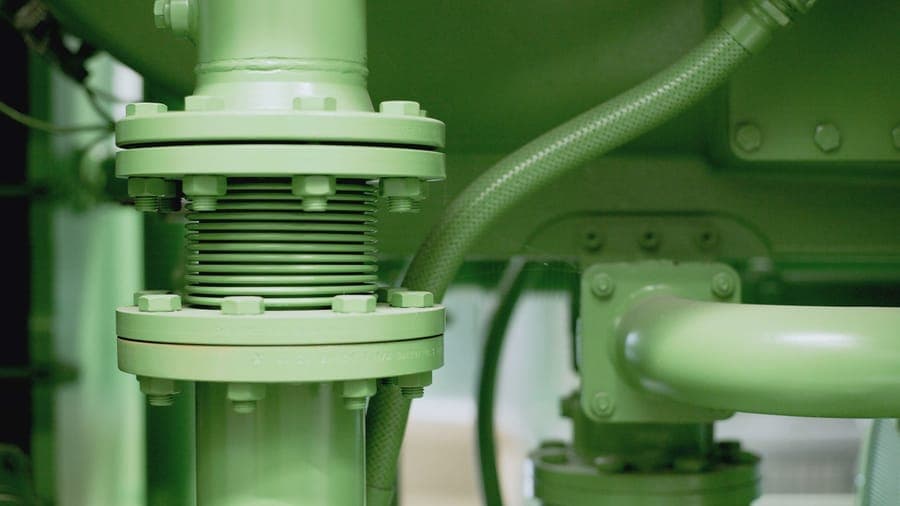
A cooler, a length of duct and a bag of ice is the classic homemade chiller, and the duct is the part people get wrong. Size it to the machine's nozzle, not to what is cheapest.
- Type
- Flexible ducting
- Sizing
- Match the fogger's nozzle diameter
- Pairs with
- A hard cooler and ice
- Cost
- The cheapest route to low-lying fog
Good
- The lowest-cost path to low-lying fog by a wide margin
- Parts are reusable and easy to replace
- You can size the cooler to your actual yard
Less good
- It is a build rather than a purchase, so budget an afternoon
- Undersized duct chokes output and backs heat into the machine
- No warranty on anything you assembled yourself
- Fog density7.6
- Stays low8.4
- Run time7.4
- Setup effort5.0
- Consumable cost8.8

Freezin Fog Low-Lying Fog Fluid
Froggy's Fog
Formulated specifically to work with a chiller and to travel long distances across the ground. If you have a chiller and you are using general-purpose fluid, this is the upgrade.
- Type
- Low-lying or chiller fog fluid
- Designed for
- Fog chiller effects
- Behavior
- Dense, travels across the ground
- Use
- Outdoor water-based machines
Good
- Chemistry built around the chiller rather than in spite of it
- Travels across the ground instead of pooling at the nozzle
- Pairs with the same machines as the general-purpose fluid
Less good
- Only worth it if you are actually chilling the output
- Premium pricing per gallon
- Still beaten by a breeze, like every fog fluid
- Hang time8.6
- Density9.4
- Machine safety8.6
- Outdoor suitability9.2
- Value7.0

Hurricane 1301 Fog Machine
Chauvet DJ
A mainstream heated fogger from a brand with actual parts support, which makes it the sensible base machine to pair with a chiller rather than a disposable seasonal unit.
- Type
- Heated fog machine
- Fluid
- Water-based fog fluid
- Control
- Wired or wireless remote, model dependent
- Pairing
- Works as the source machine for a chiller
Good
- Parts and fluid support from an established brand
- Good base unit for a DIY or bought chiller setup
- Holds up better across seasons than seasonal-aisle foggers
Less good
- Produces rising fog unless it is chilled
- Duty cycle means it pauses to reheat
- More machine than a small porch display needs
- Fog density8.4
- Stays low4.0
- Run time7.4
- Setup effort8.6
- Consumable cost7.4
Building one: what matters
- Size the ducting to the machine's nozzle. This is the mistake people make. Undersized duct chokes output and backs heat into the machine, which is bad for the effect and worse for the machine. Match the diameter, do not buy whatever is cheapest.
- Make the path through the ice long, not short. Fog needs contact time with cold to actually cool. A duct that runs straight through a cooler barely chills anything; one that winds through the ice volume does the job.
- Give the meltwater somewhere to go. A cooler full of melting ice produces a lot of water, and fog output pushed through standing water is fog output that stops.
- Seal the entry and exit reasonably. Not perfectly — some leakage is fine — but enough that the fog goes through the ice rather than around it.
- Keep the exit low. The whole point is fog that starts at ground level. An exit two feet up gives the fog a chance to warm before it lands.
Running it
- Use chiller-formulated fluid. It is designed to stay dense after cooling and travel across the ground. General-purpose fluid in a chilled setup wastes most of the chilling — see which fog fluid to buy.
- Run in bursts. Continuous running exhausts the ice fast and looks worse. Short bursts with pauses reads as atmosphere.
- Have more ice than you think. Chilling capacity fades as the ice melts, and you will notice the effect degrading before the ice is gone.
- Level the whole assembly. Tilted means meltwater pools in the wrong place.
What a chiller cannot fix
Wind. Chilled fog is the most wind-sensitive effect in a yard haunt, because ground level is where air moves most and ground fog has no mass behind it. A breeze clears it in under a minute and no amount of chilling changes that.
The answer is placement: fog from upwind, use the house, a fence or a hedge as a windbreak, and accept that some nights the effect will not hold. Where to put a fog machine covers this properly, and how to make fog stay low ranks all three methods by cost.
Frequently asked questions
What does a fog chiller do?
It cools the fog machine's output before it exits. Cooled fog is denser than the surrounding air, so it falls and spreads across the ground instead of rising and drifting off.
How do you make a DIY fog chiller?
A hard cooler, ducting in and out sized to your machine's nozzle, and ice. The details that matter are contact time through the ice, drainage for meltwater, and keeping the exit low to the ground.
Is a fog chiller better than a low-lying fog machine?
It is cheaper if you already own a fogger, and capacity is limited only by the cooler you use. A purpose-built low-lying machine is more compact and less work each night. Both produce comparable ground fog.
How much ice does a fog chiller use?
More than people expect, and the effect degrades noticeably before the ice is gone. A larger cooler holds more ice and runs longer, which is the main practical advantage of building your own.
Can you use dry ice in a fog chiller?
Some designs allow it and it chills far harder than regular ice, but dry ice needs handling with gloves and a chamber that vents. If dry ice is the route you want, a purpose-built dry-ice machine is designed for it and safer to run.
About the author
Mike M.
Mike M. is the hands-on owner behind Iron Mako Media, which publishes Haunt & Hedge. The site covers the gear that builds a yard haunt, for the person who already decorates and adds one bigger piece a year.
We do not run a test lab and we do not claim to have physically tested products we have not. Read how we choose picks.