Fog & Atmosphere
How to Protect a Fog Machine From Rain
A fog machine is a heating element, a pump and a reservoir of liquid in a plastic box. It is the one prop in your yard that genuinely must not get wet.

Disclosure: we earn a commission from qualifying purchases made through links on this page, at no extra cost to you. It does not change what we recommend — here is how we choose.
The short answer
Put the machine in a vented enclosure with the nozzle pointing out through a cut opening, raise it off the ground on a paver or a crate so standing water cannot reach it, and run it from a GFCI-protected outlet with every cord joint inside a sealed connector box. Never wrap a running fog machine in a cover: the heater needs airflow, and a sealed cover traps heat.
Most props in a yard haunt tolerate weather badly. A fog machine is a different category of problem, because it combines mains voltage, a heating element that runs at several hundred degrees, a pump, and an open reservoir of fluid — in a thin plastic housing that is almost never weather rated. Nothing else in a display has that combination, and nothing else fails as expensively or as unsafely.
What actually goes wrong
- Water into the housing. Reaches the board and the heater terminals. This is the failure that ends the machine.
- Water into the fluid. Dilutes the juice, which thins the fog and can leave deposits in the heater block.
- Thermal shock on the heater. Cold water onto a hot block is how a heater cracks.
- Sitting in standing water. The machine does not have to be rained on to drown; a low spot on a lawn after an hour of rain will do it.
- Wet cord joints. The most common fault of all, and the one that trips the breaker and takes the rest of the display down with it.
A vented box, not a cover
The right enclosure for a machine that has to live outdoors is a lockable resin deck box with vents and a nozzle opening cut into it. That sounds like a compromise and it is actually the correct answer: the box keeps rain off the housing, the vents let the heater dump heat, and the cut opening lets the fog out at ground level where you want it anyway.
- Cut a nozzle opening on the face pointing into the scene, slightly larger than the nozzle so nothing touches hot plastic.
- Cut vents low on the opposite side and high near the lid, so cool air comes in low and hot air leaves high.
- Raise the machine inside the box on a paver, a brick or an upturned crate, so any water that gets in sits below it.
- Bring the cord in from the underside or the back, in a drip loop, so water runs off the cord rather than along it into the box.
- Leave the lid closable but not sealed. You want it shut against rain and still able to breathe.
What this job needs
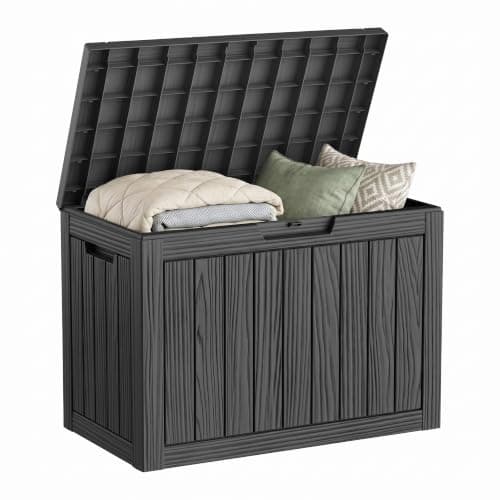
60 Gallon Lockable Resin Deck Box
DRATO
A fog machine is a heater full of liquid and it does not belong in the rain. A lockable resin deck box you cut vents into lets you place it where the fog needs to be without exposing it.
- Type
- Lockable resin deck box, 60 gallon
- Requirement
- You cut the vents yourself — heat has to escape
- Placement
- Nozzle exits through a cut or an open face
- Off-season
- Doubles as storage
Good
- Lets you place the machine where the fog is needed rather than where shelter is
- Keeps the electronics dry through an unexpected shower
- Useful the rest of the year as outdoor storage
Less good
- Must be vented or you will cook the machine
- Adds bulk to a display that is trying to look like a graveyard
- Not a substitute for bringing the machine in at the end of the night
- Protection8.4
- Fit versatility7.8
- Durability8.2
- Ease of use8.0
- Value8.0
#ad How we are funded - price as of November 4, 2026
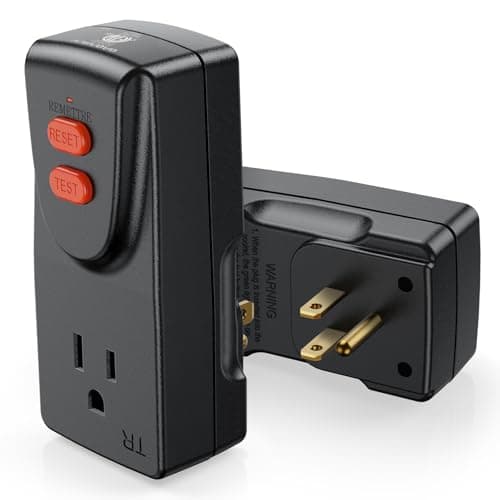
Portable GFCI Adapter, 15 Amp
OAONAN
If the outdoor outlet you are using is not already GFCI protected, a plug-in adapter is the cheapest way to fix that, and it is not optional on a wet lawn.
- Type
- Plug-in ground-fault circuit interrupter
- Use
- Any unprotected outdoor outlet
- Test
- Press test and reset before every season
- Note
- Not a replacement for correct wiring
Good
- Adds ground-fault protection without an electrician
- Small, cheap and reusable
- Testable, so you can confirm it works
Less good
- A nuisance trip mid-evening kills the whole display at once
- Does not fix undersized or damaged cord
- Needs its own weather protection at the outlet
- Safety value9.6
- Weather rating7.0
- Ease of use9.4
- Reliability8.0
- Value9.4
#ad How we are funded - price as of November 4, 2026
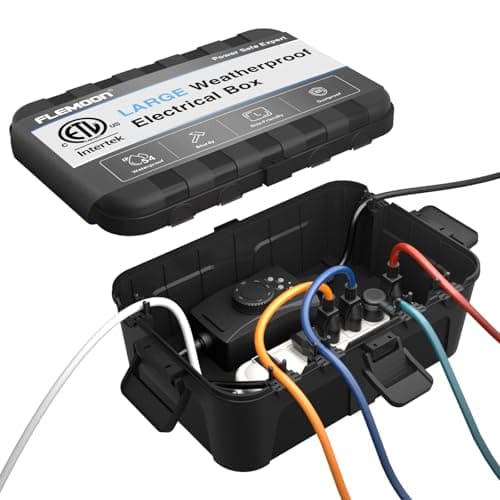
Large Weatherproof Extension Cord Box, IP54
Flemoon
Every cord-to-cord joint sitting in wet grass is a fault waiting to trip a breaker. A sealed connector box is the cheapest fix on this entire site.
- Type
- Sealed cord-joint enclosure
- Fits
- Standard cord couplings
- Rating
- Look for an outdoor or weather-resistant listing
- Reusable
- Yes
Good
- Removes the most common outdoor-display electrical fault
- Keeps the joint off the ground as well as out of the rain
- Reusable every season
Less good
- One box per joint, and displays have a lot of joints
- Bulky compared with tape, which is what most people use instead
- Not a substitute for outdoor-rated cord and a GFCI
- Protection9.0
- Fit versatility8.0
- Durability8.4
- Ease of use8.8
- Value9.2
#ad How we are funded - price as of November 4, 2026
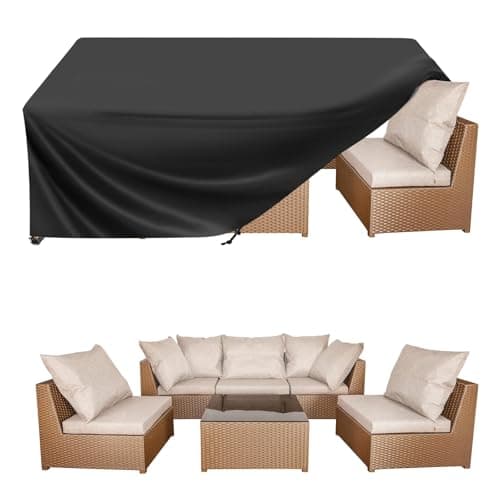
Heavy-Duty Waterproof Outdoor Cover
BALEINE
The pragmatic answer to a prop that is rated for light moisture and a forecast that is not: cover it overnight, uncover it at dusk.
- Material
- Coated polyester or vinyl
- Fit
- Size to the prop's standing footprint
- Securing
- Drawcord or strap
- Breathability
- Vented covers dry faster
Good
- Extends the life of a light-moisture-rated prop by whole seasons
- Cheaper than replacing one animatronic
- Doubles as the off-season dust cover in the garage
Less good
- Only works if somebody actually puts it on before the rain
- A non-vented cover traps condensation, which is its own problem
- Covers blow away, so they need tying down too
- Protection8.6
- Fit versatility7.4
- Durability8.0
- Ease of use7.6
- Value8.8
#ad How we are funded - price as of November 4, 2026
The electrical half is not optional
A fog machine on a wet lawn is the single clearest case for ground-fault protection in a yard haunt. If the outdoor outlet you are using is not already GFCI protected, a plug-in GFCI adapter is the cheapest way to fix that, and it should be tested and reset before every season rather than assumed to work.
Then deal with the joints. Every cord-to-cord connection lying in wet grass is a fault waiting to happen, and a sealed connector box costs a fraction of the machine it protects. Keep joints up off the ground where you can, and keep them out of the low spots where water collects. Yard haunt electrical safety covers the whole chain, and outdoor extension cords for Halloween covers getting the gauge right so the heater is not being starved.
Placement decides most of this
| Location | Weather exposure | Verdict |
|---|---|---|
| Under a porch roof | Low | Best option; fog still travels out |
| In a vented deck box | Low | The answer for an open yard |
| Open garage, nozzle outward | None | Excellent, if the scene allows it |
| On bare lawn, uncovered | High | Do not; one wet night ends it |
| In a low spot or a bed | High | Standing water, even without rain |
| Sealed tote or under a tarp | None, but no airflow | Never while running |
Note that putting the machine under cover does not mean hiding the fog. Fog travels, especially once chilled, so a machine on a porch or in a garage with the nozzle aimed at the scene will deliver fog into the yard perfectly well. Where to put a fog machine covers aiming it, and the usual caution applies: wind beats all of this, and a breeze clears ground fog in under a minute regardless of where the machine sits.
If it does get wet
Unplug it first, and do not test whether it still works. Let it dry completely — days, not hours, and somewhere warm and ventilated rather than in a sealed box. Drain the reservoir rather than running diluted fluid through the heater. When you do power it up, do it on a GFCI-protected outlet and stand clear for the first cycle. If the breaker trips or the machine makes a noise it did not make before, it is finished; a cracked heater block or a compromised board is not a repair for a home display.
End-of-season is where machines really die
More foggers are killed by storage than by rain. Fluid left standing in a pump dries to residue, the residue clogs the nozzle, and next October the machine hums and produces nothing — which is the most common entry in fog machine troubleshooting. Run plain distilled water or a cleaning solution through until it is clear, drain the tank, let it dry open, then box it. Storing Halloween decorations covers the rest of the pack-down, and a moisture absorber in the tote is worth the dollar it costs.
Frequently asked questions
Can you leave a fog machine outside in the rain?
Not uncovered. A fog machine is mains voltage, a hot heater and an open fluid reservoir in an unrated plastic housing. Put it under a porch roof, in an open garage, or inside a vented deck box with the nozzle pointing out, and raise it off the ground.
Can you cover a fog machine with a tarp while it is running?
No. A cover with no ventilation traps heat around a heating element, which is a fire risk rather than a maintenance issue. Covers go on when the machine is switched off at the end of the night. While it runs, it needs airflow.
How do you make an enclosure for a fog machine?
Use a lockable resin deck box. Cut a nozzle opening on the face pointing into the scene, add low and high vents on the opposite side so air flows through, raise the machine inside on a paver, and bring the cord in with a drip loop so water runs off it.
Does a fog machine need a GFCI outlet?
On a wet lawn, yes. If the outdoor outlet is not already GFCI protected, a plug-in adapter is the cheapest fix available and it is not an optional extra. Test and reset it at the start of every season rather than assuming it still works.
What should you do if your fog machine gets rained on?
Unplug it, drain the reservoir, and let it dry for days in a warm ventilated place rather than testing it straight away. Power it up on a GFCI-protected outlet afterwards. If the breaker trips or it sounds different, the machine is done.
About the author
Mike M.
Mike M. is the hands-on owner behind Iron Mako Media, which publishes Haunt & Hedge. The site covers the gear that builds a yard haunt, for the person who already decorates and adds one bigger piece a year.
Every pick here is chosen from manufacturer specifications, manuals, safety standards and verified buyer data. Read how we choose picks.