Storage & Off-Season
How to Store a 12-Foot Skeleton
Easy to buy, hard to put away. Here is the order to take it apart in, and what to put it in.
Disclosure: we earn a commission from qualifying purchases made through links on this page, at no extra cost to you. It does not change what we recommend — here is how we choose.
The short answer
Disconnect the head first and box it separately with padding, then work down the body in the reverse of assembly order, dry every section, pad between hard parts, and put the frame in a long zippered bag rather than the shipping carton. Plan for about 40 inches of clear floor.
The twelve-foot skeleton is easy to buy and hard to put away. The box it came in will not survive a second trip to the attic, and the head is the part that breaks in November rather than October.
Do this before you take anything apart
- Pick a dry day. Everything has to go away dry, and a giant that comes down in the rain needs days to dry properly anyway.
- Photograph the assembled figure and each joint as you go, if this is your first teardown. Next September you will not remember.
- Clear floor space. You need the full length of the figure laid out, plus room to walk around it.
- Have the bag and the head box ready. Parts sitting on a garage floor overnight is how parts go missing.
The disassembly sequence
- Lower the figure with two people — one walking the body down, one controlling the base. Do not let it drop the last part of the way.
- Disconnect the head before moving the body. The eye cable is fragile at exactly this moment, and a head dangling from its cable while the body is dragged is the most common way that module dies.
- Remove hands and extremities next. Thin molded parts, and they break under the weight of other sections.
- Take the arms off, then the torso from the frame.
- Break the pole sections down, in the reverse of assembly order.
- Pull every anchor and collect the hardware into one labeled bag while you remember where it all came from.
Dry everything
A month outdoors means moisture in every joint and every fabric element. Wipe the sections down and leave them spread out in a garage with air moving for a day before anything gets bagged. Pay particular attention to the inside of hollow pole sections, which hold water and are the least obvious place to check.
If any section has soil packed into it from the anchors, clean it out now. Soil holds moisture against the frame for ten months.
The head gets its own box
This is the single most valuable habit in this guide. The head contains the LCD eye module and its cable, both fragile, and storing it in the long bag means hard frame sections resting against it until August.
- Use a rigid box sized so the head does not move inside it.
- Pad around it with foam or towels, particularly over the eye area.
- Coil the cable loosely rather than tightly, and do not let it take any weight.
- Add a moisture absorber, upright. Corrosion on the eye connector is a slow ten-month failure.
- Label the box and store it somewhere you will not stack on.
The body goes in a bag
A long zippered fabric bag adapts around the awkward shapes that a rectangular box cannot take. Size it to your longest section with margin, and plan for roughly 40 inches of clear floor. Reinforced handles matter because this will be heavy.
Pad between hard sections with towels or offcuts of foam so they do not scuff each other every time the bag moves. And do not stack anything on the bag — fabric bags give no crush protection at all, which is the format's one real limitation. The skeleton bag roundup covers sizing and the wheeled upright alternative.
What to store it in
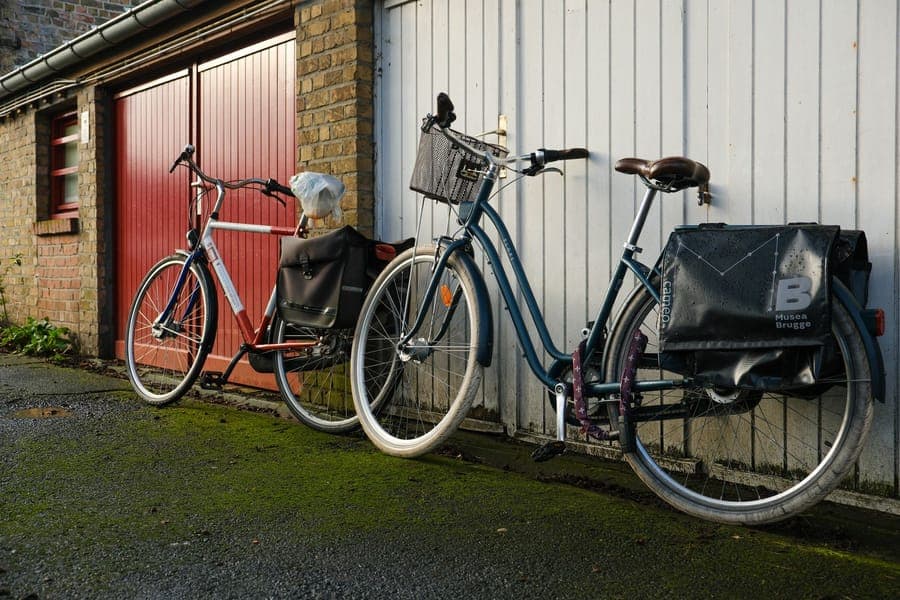
Extra-Large Storage Bag for a 12 ft Skeleton
Various
The box a twelve-foot skeleton arrives in will not survive a second trip to the attic. A long zippered bag is the replacement, and it wants about 40 inches of clear floor.
- Type
- Zippered fabric storage bag
- Length needed
- Size to the longest disassembled section
- Handles
- Reinforced, because this will be heavy
- Storage
- Stands upright or lies flat
Good
- Fits the actual disassembled shape rather than a cardboard rectangle
- Fabric bags flex around awkward limbs where a box does not
- Handles make a two-person carry possible
Less good
- No crush protection, so do not stack anything on it
- Cheap zippers fail under load, so check the zipper before the fabric
- The head still needs its own padded box
- Fit9.0
- Protection6.2
- Handling8.4
- Durability7.2
- Value8.6
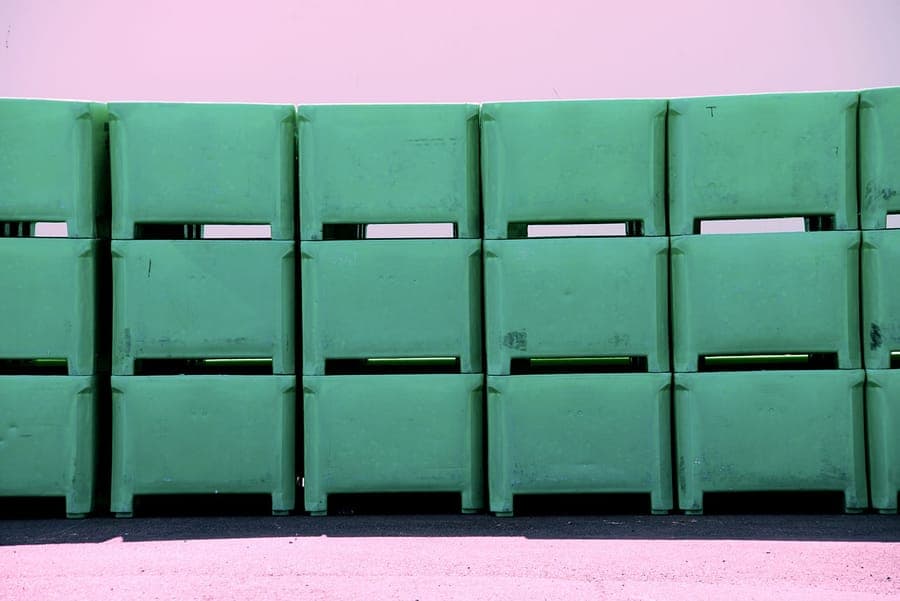
27 Gal Heavy-Duty Storage Tote
Various
Thicker walls and a lid that takes weight. The right box for animatronics, because the thing you store on top of them is the thing that breaks them.
- Capacity
- 27 gal
- Walls
- Heavy gauge, rated for stacking load
- Lid
- Load bearing on most models
- Use
- Rigid props, animatronics, tools
Good
- Lid takes the weight of whatever gets stacked on it
- Deep enough for a folded standing animatronic
- Survives being dragged across a concrete floor
Less good
- Heavy before you put anything in it
- Too deep to lift comfortably when full
- Costs several times what a basic tote does
- Stackability9.4
- Seal quality7.4
- Capacity9.0
- Durability9.4
- Value7.0
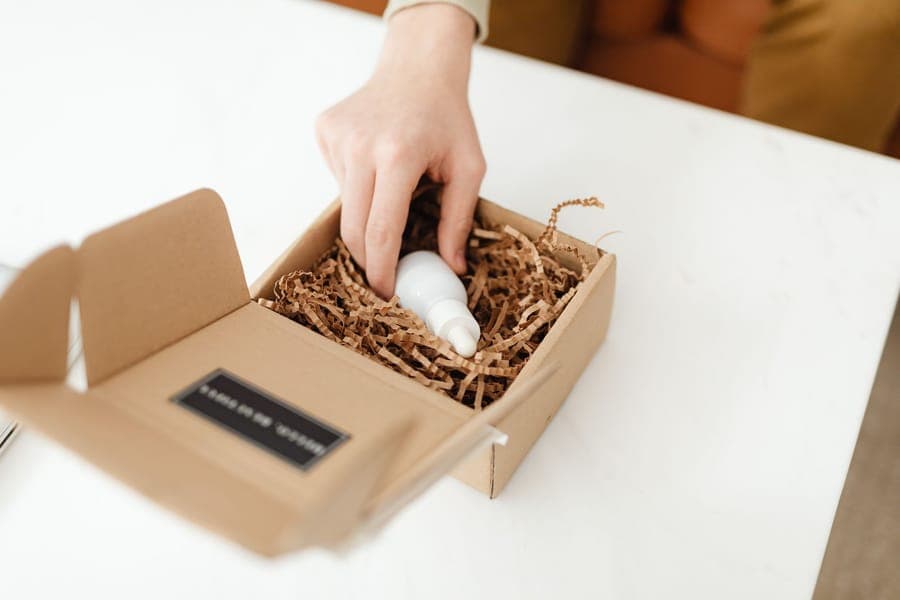
Container Moisture Absorbers
Various
The cheapest insurance on a year of storage. Props do not usually go in wet, they go in slightly damp, and then sit sealed for ten months.
- Type
- Calcium chloride moisture absorber
- Use
- One per tote in a damp space
- Life
- Replace annually
- Caution
- The collected liquid is corrosive, so keep it upright
Good
- Pennies against the value of what is in the tote
- Handles the residual damp you cannot see when you pack
- Also works in a skeleton storage bag
Less good
- Must sit upright or the collected brine leaks onto the contents
- Needs replacing every year to do anything
- Not a fix for actually wet props, which you have to dry first
- Protection8.6
- Ease of use9.0
- Durability5.0
- Coverage7.4
- Value9.4
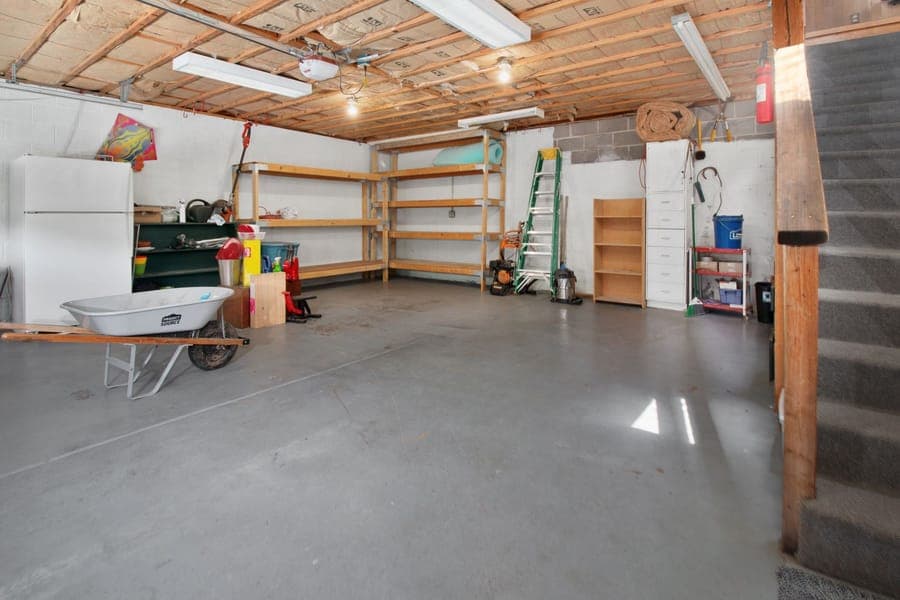
Overhead Garage Storage Rack
Various
Halloween storage is a once-a-year problem, which makes ceiling space the right place for it. You are not reaching for these totes in March.
- Type
- Ceiling-mounted rack
- Load rating
- Check the stated rating and your joists
- Height
- Adjustable drop on most models
- Install
- Must land on structural members
Good
- Uses space nothing else competes for
- Keeps seasonal totes out of the working floor area
- Off the floor means safe from a garage flood
Less good
- Installation has to hit real structure, so this is not a drywall job
- Getting a full tote up and down needs a proper ladder
- Lowers usable ceiling height where it is mounted
- Space saving9.4
- Protection8.0
- Ease of use6.0
- Durability9.0
- Value8.0
Where in the garage
- Off the concrete floor. Concrete wicks moisture and garages flood. A pallet, shelving or an overhead rack all solve it.
- Somewhere nothing gets stacked. Against a wall, or standing upright if your ceiling allows.
- Overhead if you can. Halloween storage is a once-a-year retrieval, which makes ceiling space exactly the right place for it. Check the load rating and land the fixings on real structure.
- With the hardware bag and the head box nearby, and all three labeled so next September is one trip.
Fix it now, not next year
Teardown is when you find the damage: a cracked collar, a sheared pin, a joint that will not seat. Deal with it in November while you remember which section it was, rather than discovering it in September with a week to go. Replacement parts covers what breaks and what substitutes.
November is also when storage is cheapest, which makes it the right week to buy the bag and the shelving rather than improvising for another year — see the buying calendar.
Frequently asked questions
How do you store a 12-foot skeleton?
Disconnect the head first and box it separately with padding, remove extremities, break the frame down in reverse assembly order, dry everything thoroughly, and put the body sections in a long zippered bag rather than the shipping carton.
How much space does a 12-foot skeleton need in storage?
Plan for roughly 40 inches of clear floor for the bag, plus a separate padded box for the head and a small tote for hardware. Standing the bag upright saves floor area if your ceiling allows it.
Can I store a 12-foot skeleton in the attic?
Yes, if it is dry and you can get it up there safely. Attics run hot, so use latching containers for anything boxed and keep the head box away from the hottest part of the space.
Should I take the head off a giant skeleton to store it?
Always, and before you move the body. The eye module and its cable are the fragile parts, and a head left attached while the body is dragged is the most common way that module dies.
Do I need to clean a giant skeleton before storing it?
Wipe it down, clear soil out of the pole sections where anchors went in, and let everything dry with air moving for a day. Soil in a hollow section holds moisture against the frame for ten months.
About the author
Mike M.
Mike M. is the hands-on owner behind Iron Mako Media, which publishes Haunt & Hedge. The site covers the gear that builds a yard haunt, for the person who already decorates and adds one bigger piece a year.
We do not run a test lab and we do not claim to have physically tested products we have not. Read how we choose picks.