Inflatables
Why Is My Halloween Inflatable Not Working?
Work the sequence in order. Most of the time it is one of the first two, and neither costs anything to fix.
Disclosure: we earn a commission from qualifying purchases made through links on this page, at no extra cost to you. It does not change what we recommend — here is how we choose.
The short answer
Check in this order: power at the outlet and the GFCI, then the zipper and deflation flaps, then the fabric for tears, then the blower intake for leaves and folded fabric, then the blower itself. The first three are free and they account for most failures.
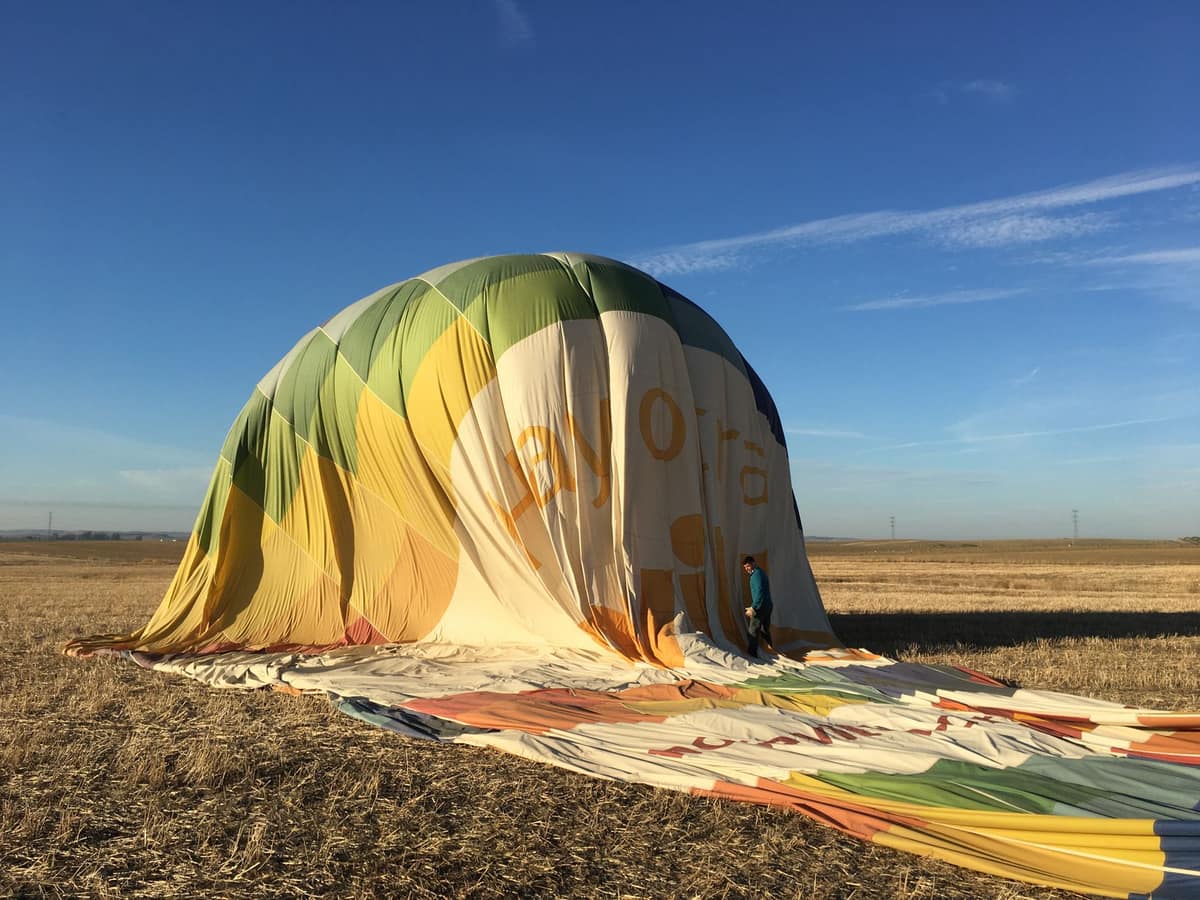
A slumped inflatable is one of four problems, and people usually jump to the most expensive one. Work through them in order and you will rarely need to buy anything.
1. Power
Obvious, and it is the answer more often than anything else, particularly mid-evening.
- Is the outlet live? Test with something else. Outdoor outlets on a shared circuit are easily knocked out by a load elsewhere.
- Has the GFCI tripped? This is the big one. A cord joint in wet grass elsewhere in the display will trip a GFCI and take out everything on that circuit, including a perfectly healthy inflatable.
- Is the timer or smart plug in an off window? If a schedule changed or a power cut reset a mechanical timer, everything on it stays dark.
- Is the prop's own switch on? Some inflatables have an inline switch that is easy to knock while staking.
If a GFCI keeps tripping, do not keep resetting it — find the fault. Usually it is a cord joint sitting in water. Yard haunt electrical safety covers what is worth investigating yourself and what is not.
2. Zippers and deflation flaps
Most inflatables have a zipper for access and a deflation flap so the prop empties quickly when you take it down. If either is open, the blower cannot build pressure and the prop sags no matter how well the fan is working.
This is the most commonly missed cause, because the zipper is usually on the back where you never look. Check it before you go anywhere near the fabric.
3. Tears
A tear the blower cannot keep up with produces a partial inflation: the prop stands but never reaches full shape, or it stands and slowly slumps. Run the blower and walk around the prop with your hand near the fabric — you will feel the escaping air before you see the hole.
Check the seams first, especially on the windward side, because seams are where fabric flogging does its damage. Patch early: a small tear becomes a large one within a night or two, and once a seam starts running it is much harder to stop.
4. Blocked intake
The blower draws air from outside the prop, and the intake grille sits near the ground where leaves, grass clippings and the prop's own fabric end up. A restricted intake means low airflow, which looks exactly like a weak blower.
Clear the grille, make sure no internal fabric has folded across the fan outlet, and check the prop is not sitting in a way that presses fabric against the intake. This is free and it fixes a surprising number of apparent fan failures.
5. The blower itself
Only now. Symptoms of a genuinely failed blower are no sound at all with confirmed power, a grinding or rattling noise, or a fan that starts then stops as thermal protection cuts in.
Replacements exist, but fitment is fiddly despite how universal the listings sound: voltage, airflow rating and mount diameter all have to match. Measure the mount and read the rating plate on the old unit before ordering. Upgrading to a stronger fan on an inflatable that has always sagged is a legitimate move and sometimes improves its wind behavior too — base fan versus internal blower explains why.
The fixes
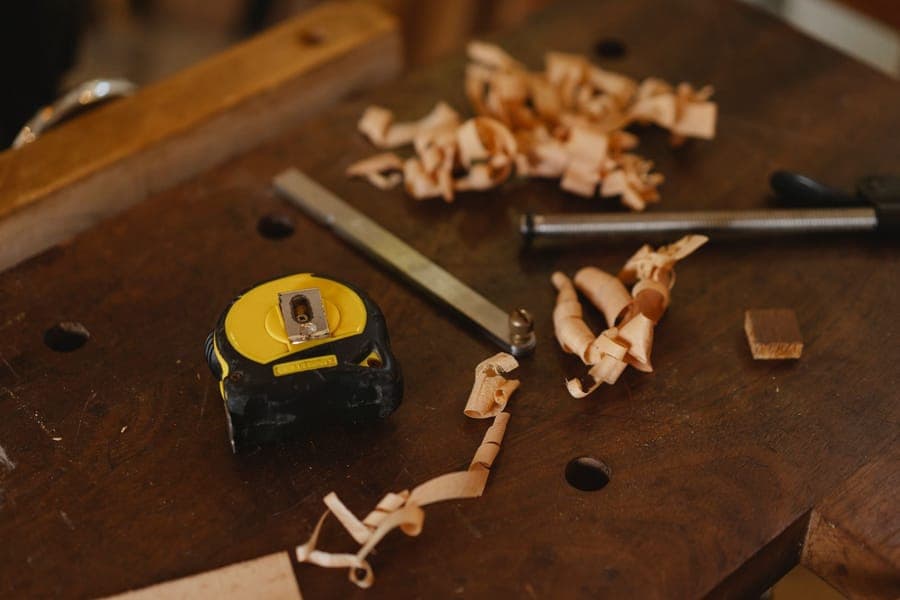
Vinyl Patch and Repair Tape Kit
Various
Most inflatable failures are a small tear the blower cannot keep up with, and a patch kit turns a dead prop back into a working one in ten minutes.
- Contents
- Adhesive patches and repair tape
- Works on
- Coated polyester and vinyl
- Cure
- Needs a dry, clean surface
- Storage
- Keep one in the Halloween tote
Good
- Turns a whole-prop write-off into a ten-minute repair
- Small enough to live permanently in the storage tote
- Patching a seam early stops it running further
Less good
- Needs the fabric genuinely dry, which in October is the hard part
- Cosmetically visible on light-colored fabric
- Will not fix a blower or a wiring fault, which is the other half of the failures
- Fix rate8.6
- Repair durability7.8
- Ease of use8.8
- Value9.4
- Shelf life8.0
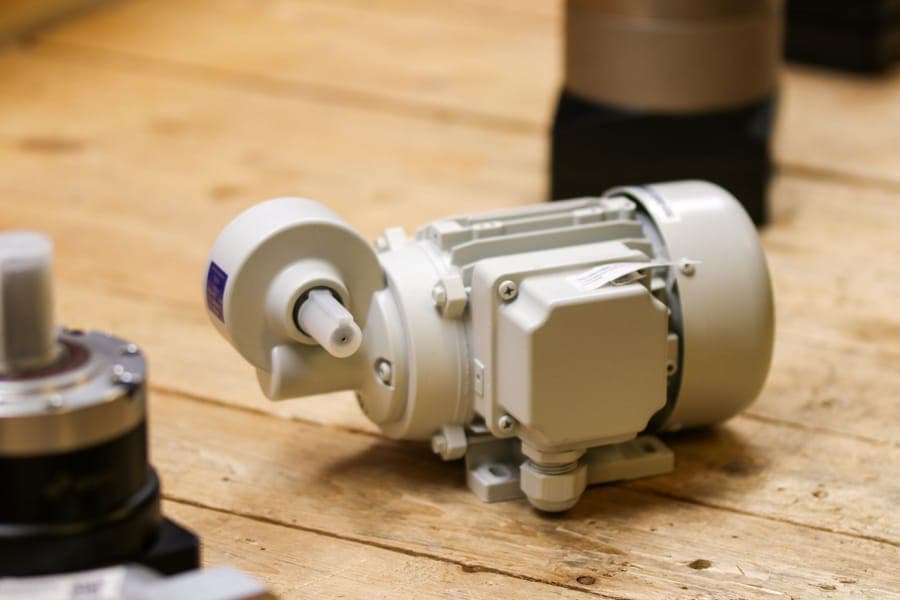
Replacement Inflatable Blower Fan
Various
The other half of inflatable failures. Match the voltage and the airflow rating on the original unit before you buy, because they are not interchangeable.
- Type
- Replacement blower motor
- Match on
- Voltage, airflow rating, mount diameter
- Power
- Plug-in via the supplied adapter
- Fit
- Model specific, so verify before buying
Good
- Saves an otherwise sound inflatable
- Cheaper than replacing the whole decoration
- Upgrading to a stronger fan improves wind behavior on a sagging unit
Less good
- Fitment is genuinely fiddly, because voltage and mount size both have to match
- Not universal despite how listings describe them
- A blown fan is sometimes a symptom of a wiring fault rather than the cause
- Fix rate8.0
- Repair durability8.4
- Ease of use6.4
- Value8.8
- Shelf life8.6
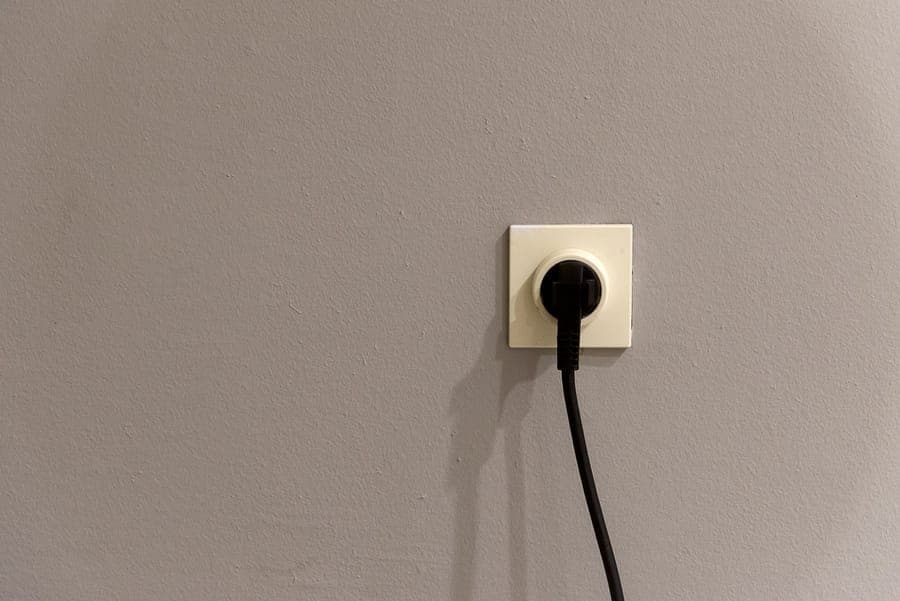
Portable GFCI Adapter
Various
If the outdoor outlet you are using is not already GFCI protected, a plug-in adapter is the cheapest way to fix that, and it is not optional on a wet lawn.
- Type
- Plug-in ground-fault circuit interrupter
- Use
- Any unprotected outdoor outlet
- Test
- Press test and reset before every season
- Note
- Not a replacement for correct wiring
Good
- Adds ground-fault protection without an electrician
- Small, cheap and reusable
- Testable, so you can confirm it works
Less good
- A nuisance trip mid-evening kills the whole display at once
- Does not fix undersized or damaged cord
- Needs its own weather protection at the outlet
- Safety value9.6
- Weather rating7.0
- Ease of use9.4
- Reliability8.0
- Value9.4
Symptom table
| Symptom | Most likely cause | Check |
|---|---|---|
| Nothing at all, no fan noise | Power or GFCI | Outlet, GFCI, timer, inline switch |
| Fan runs, prop stays flat | Zipper or deflation flap open | Walk the whole prop, check the back |
| Stands partly, never fills | Tear or open seam | Feel for escaping air, check seams |
| Stands then slowly slumps | Small tear, or restricted intake | Fabric first, then the intake grille |
| Fan noisy or cutting out | Blower failing or overheating | Clear the intake first, then replace |
| Works, then dies each night | Thermal cut-out from restricted airflow | Intake grille and internal fabric |
Preventing the repeat
Most of these recur for the same reasons: the intake sits where debris collects, wet cord joints trip GFCIs, and flogging fabric opens seams. Better anchoring stops the flogging (the anchoring guide), sealed connector boxes stop the tripping, and putting the prop somewhere leaves do not drift keeps the intake clear.
Frequently asked questions
Why is my Halloween inflatable not inflating?
In order of likelihood: no power or a tripped GFCI, an open zipper or deflation flap, a tear the blower cannot keep up with, a blocked intake, or a failed blower. The first three cost nothing to check and account for most cases.
Why does my inflatable deflate at night?
Usually a small tear the blower can keep up with only partly, or a restricted intake causing the fan to overheat and cut out on thermal protection. Clear the intake grille first — it is free and it is often the answer.
Can you patch a Halloween inflatable?
Yes, and most fabric failures are worth patching. A vinyl patch kit fixes a tear in minutes, provided the fabric is genuinely dry and clean when you apply it. Patch early — a small tear runs into a large one quickly.
How do I replace an inflatable blower?
Match voltage, airflow rating and mount diameter on the original before ordering, because these are not interchangeable despite how listings describe them. Check the rating plate and measure the mount rather than guessing from photographs.
Why does my inflatable keep tripping the breaker?
Usually it is not the inflatable. A cord joint sitting in wet grass anywhere on that circuit will trip a GFCI and take everything down with it. Find and seal the joint rather than resetting repeatedly.
About the author
Mike M.
Mike M. is the hands-on owner behind Iron Mako Media, which publishes Haunt & Hedge. The site covers the gear that builds a yard haunt, for the person who already decorates and adds one bigger piece a year.
We do not run a test lab and we do not claim to have physically tested products we have not. Read how we choose picks.