Animatronics & Giant Props
Are Halloween Animatronics Waterproof?
No. Here is what the ratings actually mean, what fails first, and what to do about a forecast you do not like.

Disclosure: we earn a commission from qualifying purchases made through links on this page, at no extra cost to you. It does not change what we recommend — here is how we choose.
The short answer
No. Almost every Halloween animatronic is rated for light moisture only — a fine mist, not rain. The motor housing, the control board and the battery compartment are the failure points, and price is a poor predictor of sealing. If a prop has to stay out in real weather, you are buying a cover or bringing it in.
This is the single most-asked question about animatronics and it gets answered badly almost everywhere, usually buried three levels into an FAQ accordion with a hedge about checking the manufacturer's specifications. So here it is plainly: they are not waterproof, most are barely water-resistant, and the ones that cost the most are frequently no better sealed than the ones that cost the least.
What the ratings actually mean
Manufacturers in this category rarely publish a formal IP rating. What you usually get is phrasing like *for outdoor use*, *water resistant* or *suitable for covered outdoor areas*. Those are not equivalent and none of them mean rainproof:
| What the listing says | What it means in a yard |
|---|---|
| For indoor use | Porch at most. A heavy dew will get into it. |
| For covered outdoor use | Under a roof. Not exposed to sky. |
| Water resistant | A fine mist. Not sustained rain. |
| For outdoor use | Can stand outside in fair weather. Still not rainproof. |
| IP44 or similar | Splashing water. Not immersion, not driving rain. |
Where a manufacturer states a rating we report it as their claim, not as something we have verified. Nobody in this category, including us, is spray-testing these props.
What actually fails when a prop gets wet
- The battery compartment. Corrosion on the contacts is the most common water-related death in the entry tier, and it often happens weeks after the rain.
- The control board. Usually mounted inside the torso or base with minimal sealing. Water reaching it is generally terminal.
- The motor housing. Water in the gearbox means corrosion, then a stripped or seized gear the following season.
- The fabric. Not a failure exactly, but soaked fabric holds water for days, stays heavy, distorts the figure, and grows mold if it gets packed that way.
- The speaker cone. Cheap paper cones deform permanently once wet.
The pattern is that none of these fail *during* the rain. They fail later — sometimes next season — which is why people struggle to connect the cause to the effect and conclude the prop was just cheap.
What to do about it
The cheap fix: cover it overnight
A waterproof outdoor cover over the prop when the forecast turns, off again at dusk, costs a small fraction of any animatronic and extends its life by seasons. Vented covers are worth the extra because a sealed cover traps condensation, which is its own slow version of the same problem. Cover the *whole* prop, including the base, because the base is where the electronics usually live.
The free fix: placement
A porch, a covered entry, a deep eave or under a dense tree canopy changes the exposure completely and costs nothing. This is why the seated porch-format props tend to outlive the standing yard-format ones — not because they are better made, but because of where they end up.
The infrastructure fix: keep the connections dry
The prop is only half the problem. A cord-to-cord joint lying in wet grass is the most common electrical fault in an outdoor display, and it will trip a GFCI mid-evening even when every prop is fine. Sealed connector boxes cost very little — see yard haunt electrical safety for the rest of that.
What to buy to protect one
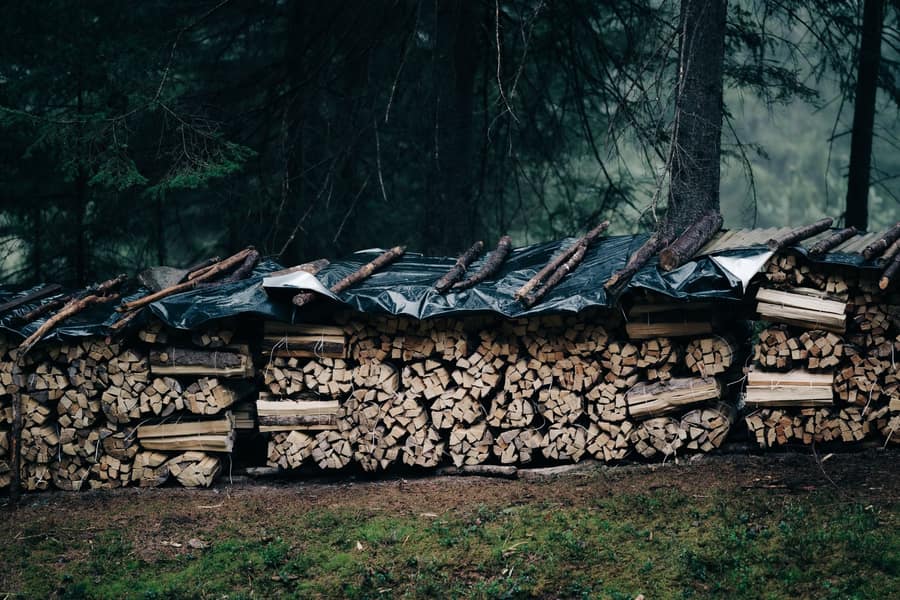
Waterproof Outdoor Cover
Various
The pragmatic answer to a prop that is rated for light moisture and a forecast that is not: cover it overnight, uncover it at dusk.
- Material
- Coated polyester or vinyl
- Fit
- Size to the prop's standing footprint
- Securing
- Drawcord or strap
- Breathability
- Vented covers dry faster
Good
- Extends the life of a light-moisture-rated prop by whole seasons
- Cheaper than replacing one animatronic
- Doubles as the off-season dust cover in the garage
Less good
- Only works if somebody actually puts it on before the rain
- A non-vented cover traps condensation, which is its own problem
- Covers blow away, so they need tying down too
- Protection8.6
- Fit versatility7.4
- Durability8.0
- Ease of use7.6
- Value8.8
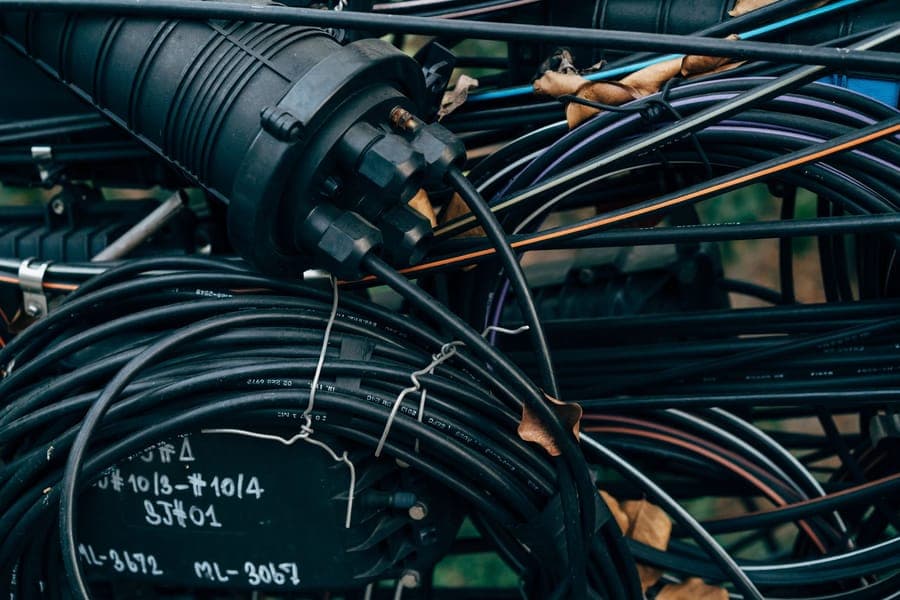
Weatherproof Extension Cord Connector Box
Various
Every cord-to-cord joint sitting in wet grass is a fault waiting to trip a breaker. A sealed connector box is the cheapest fix on this entire site.
- Type
- Sealed cord-joint enclosure
- Fits
- Standard cord couplings
- Rating
- Look for an outdoor or weather-resistant listing
- Reusable
- Yes
Good
- Removes the most common outdoor-display electrical fault
- Keeps the joint off the ground as well as out of the rain
- Reusable every season
Less good
- One box per joint, and displays have a lot of joints
- Bulky compared with tape, which is what most people use instead
- Not a substitute for outdoor-rated cord and a GFCI
- Protection9.0
- Fit versatility8.0
- Durability8.4
- Ease of use8.8
- Value9.2
Vented Outdoor Housing Box for a Fog Machine
Various
A fog machine is a heater full of liquid and it does not belong in the rain. A vented outdoor box lets you place it where the fog needs to be without exposing it.
- Type
- Outdoor storage or deck box
- Requirement
- Must be vented, because heat has to escape
- Placement
- Nozzle exits through a cut or an open face
- Off-season
- Doubles as storage
Good
- Lets you place the machine where the fog is needed rather than where shelter is
- Keeps the electronics dry through an unexpected shower
- Useful the rest of the year as outdoor storage
Less good
- Must be vented or you will cook the machine
- Adds bulk to a display that is trying to look like a graveyard
- Not a substitute for bringing the machine in at the end of the night
- Protection8.4
- Fit versatility7.8
- Durability8.2
- Ease of use8.0
- Value8.0
If it does get soaked
- Unplug it or pull the batteries immediately. Powered electronics and water is where the permanent damage happens.
- Open what you can open. Battery compartments and access panels. Get the air moving through.
- Dry it slowly, somewhere warm and ventilated. Not with a heat gun, which melts the foam and the adhesives.
- Give it days, not hours. Fabric especially. A prop that feels dry on the surface can still be wet in the stuffing.
- Test it before you store it. Finding out next September is worse than finding out now.
And when it does go away for the year, dry storage matters as much as the drying — see how to store inflatables and animatronics.
Frequently asked questions
Can Halloween animatronics get wet?
Light mist, generally yes. Sustained rain, no. The motor housing, control board and battery compartment are poorly sealed on almost everything in this category, and the damage often does not show until weeks later.
Are Home Depot Halloween animatronics waterproof?
They carry the same light-moisture ratings as the rest of the category. Big-box giants are built to stand outside for a season in fair weather, which is not the same as being rainproof, and the electronics are the vulnerable part.
How do I protect Halloween animatronics from rain?
Cover them overnight with a vented waterproof cover, place them under an eave or a porch roof where you can, and keep every cord joint off the ground in a sealed connector box. Uncover at dusk, cover again at the end of the night.
What happens if a Halloween animatronic gets rained on?
Usually nothing immediately, then a failure later: corroded battery contacts, a seized gearbox, or a dead control board the following season. Unplug it, open what you can, and dry it slowly over days rather than hours.
Are expensive animatronics more weatherproof than cheap ones?
Not reliably. Housing design in this category is driven by what the motor needs rather than by price. Expensive props are usually better in materials and mechanism, and frequently no better sealed.
About the author
Mike M.
Mike M. is the hands-on owner behind Iron Mako Media, which publishes Haunt & Hedge. The site covers the gear that builds a yard haunt, for the person who already decorates and adds one bigger piece a year.
We do not run a test lab and we do not claim to have physically tested products we have not. Read how we choose picks.